In Judaism, caring for the Earth is more than a practical responsibility. The Torah reminds us in Bereishit (Genesis 2:15) that God placed humanity in the Garden of Eden “to work it and to guard it” (le’ovdah u’leshomrah). Traditional commentators understand this as a call to responsible stewardship of creation, encompassing both large-scale environmental decisions and everyday choices. Even ordinary household tasks, like washing our clothes, can become opportunities to honor this charge when we make thoughtful decisions, such as using eco-friendly laundry products.
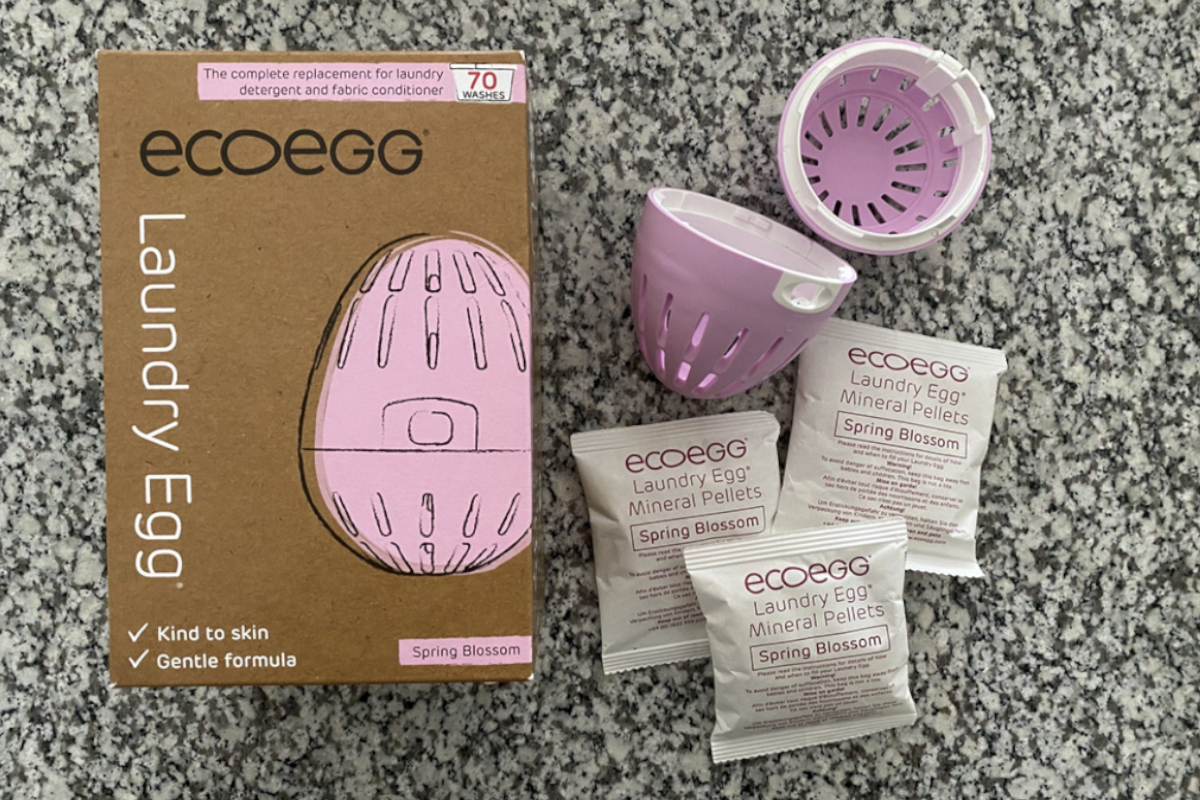
Eco laundry eggs are one example of an environmentally conscious alternative to conventional detergents. Many of these products use natural minerals, such as zeolites, and oxygen-based compounds to clean clothes gently, rather than relying on harsh phosphates, synthetic fragrances, or strong surfactants. While they may not remove every tough stain as aggressively as conventional detergents, they are designed to be gentler on fabrics, helping garments maintain their shape, color, and softness for longer. Extending the life of our clothing reduces the need for frequent replacements, thereby lowering textile waste, conserving natural resources, and reducing the energy used in production.
Scientific studies show that phosphates and other chemicals in traditional detergents can contribute to eutrophication, leading to algal blooms that reduce oxygen and harm aquatic life. Using eco-friendly laundry products, washing in cold water, and line drying can help minimize these impacts while also reducing energy consumption and carbon emissions. While individual actions are just one part of a larger environmental picture, they reflect responsible stewardship of God’s creation.
In Judaism, we are called to bal tashchit, the prohibition against unnecessary waste or destruction. Caring for our clothes and choosing eco-conscious products honors this principle in a tangible way. Clothing is a gift, and by washing it carefully, we preserve its integrity and value. These practices also reflect gratitude for the resources we use. By choosing methods that protect the planet, we participate in tikkun olam, the responsibility to repair and care for the world. Even routine chores like laundry can become acts of devotion and reverence for God.
Approaching laundry with intention encourages us to consider how our daily habits affect the world around us. As we place clothes in the washing machine or hang them to dry, we can pause to reflect on the water, energy, and resources involved. Holiness is found not only in prayer or study but in honoring God through how we care for creation. Washing and caring for our clothes can transform a routine chore into an act of devotion, reminding us that even ordinary decisions carry spiritual significance.
Eco laundry practices also cultivate reverence for God in the home. Families can involve children, teaching stewardship, patience, and care. Discussing the reasons for choosing eco-friendly products connects everyday chores to Jewish teachings and helps instill environmental awareness from an early age. Small actions ripple outward, shaping habits and values for generations to come.
By choosing eco-conscious laundry products, washing with care, and line drying whenever possible, we support multiple mitzvot simultaneously. We protect the environment, extend the life of our clothing, and honor God by caring for the world He has entrusted to us. Each load becomes a tangible expression of our values, uniting reverence for God, ethical responsibility, and care for creation. In embracing these practices, we honor the trust God has placed in us to guard and nurture the Earth, finding spiritual meaning even in the most ordinary aspects of daily life.