In a remarkable achievement, researchers at Sheba Medical Center and Tel Aviv University have successfully grown human kidney organoids, which are miniature, simplified versions of kidneys, using tissue-specific stem cells. This milestone, reported in August 2025, represents a profound step forward in understanding the wisdom of creation. The organoids developed and remained stable for 34 weeks, closely mirroring how kidneys naturally form in the womb.
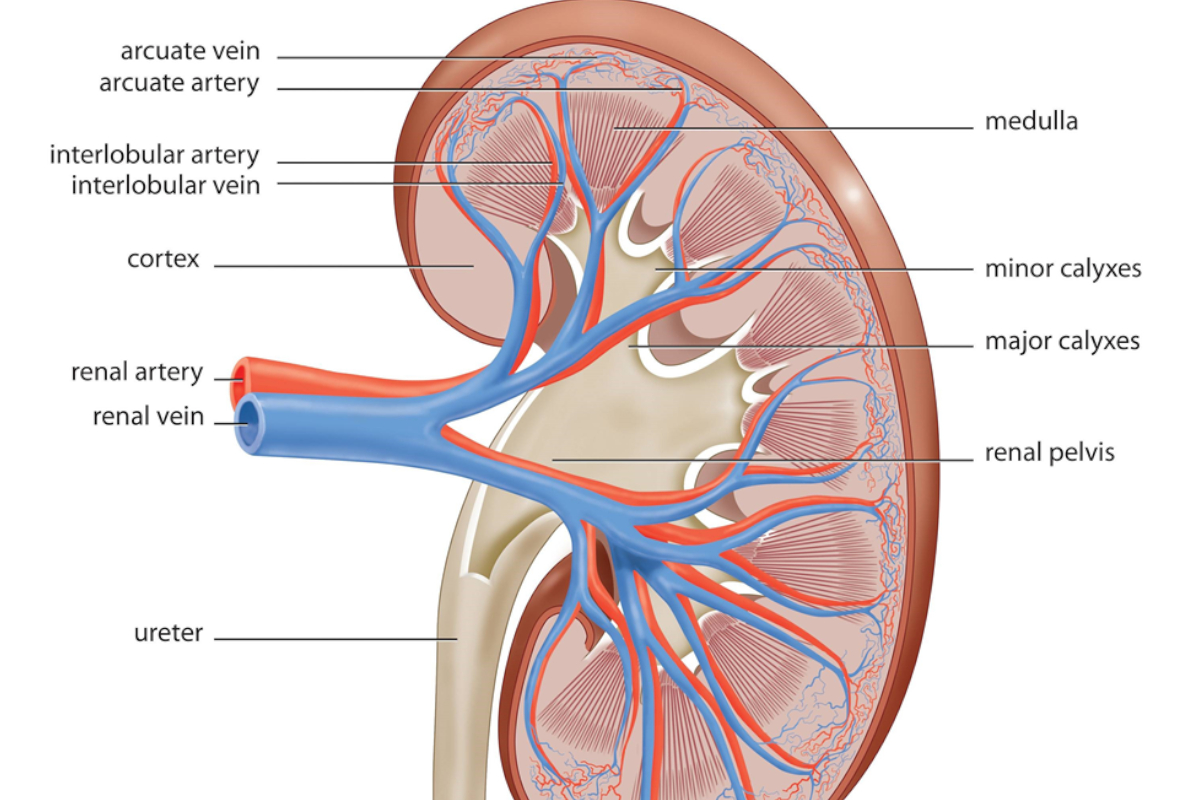
The study was led by Professor Benjamin Dekel, a leader in pediatric nephrology, the branch of medicine that focuses on kidney health in children, and regenerative medicine, a field focused on repairing or replacing damaged organs and tissues. Unlike previous models that used pluripotent stem cells (cells capable of turning into any cell type but often producing unintended or unstable results), the team used kidney tissue-specific stem cells. These are specialized cells that naturally give rise to kidney tissue and guided the formation of essential kidney structures, such as nephrons (the tiny units in the kidney that filter blood and produce urine), and renal ducts, (tubes that carry urine from the nephrons to the bladder) over several months.
This scientific achievement provides a living model to study kidney development and disease, helping researchers understand congenital kidney conditions and the effects of certain medications on developing kidneys. The organoids’ ability to function and produce biological molecules also opens hope for regenerative therapies, treatments that could one day repair or replace damaged kidneys, potentially reducing the need for transplants.
This breakthrough highlights the intricate design of the human body and the potential of science to partner with natural processes to preserve life and health. It demonstrates how careful observation and innovation can deepen our understanding of life, improve medical care, and protect health.