
Autumn in Israel arrives with a gentle warmth and a soft golden light. The heat of summer recedes, giving way to crisp mornings and sun-warmed afternoons. Hills and valleys are bathed in amber hues, and cool breezes stir olive groves, vineyards, and orchards. The air carries the earthy scent of ripening fruit and freshly turned soil. In this season, the land prepares for harvest, and every tree, vine, and field participates in the abundance of the autumn months.
Olive trees shimmer with muted gold and deep green, their leaves quivering in the gentle wind. The fruit grows heavy with oil, ready for pressing, providing sustenance and blessing. In Deuteronomy 8:7-8, God reminds the people of Israel: “For the Lord your God is bringing you into a good land, a land with brooks, streams, and deep springs gushing out into the valleys and hills; a land of wheat and barley, of vines and fig trees and pomegranates, a land flowing with milk and honey.” Walking among the trees, one can almost taste the rich, peppery oil that will be pressed from the fruit and feel the sun-warmed bark beneath one’s fingers.
Vineyards across the Galilee and Judean hills take on soft bronze and amber tones. Clusters of grapes hang heavy and fragrant, their skins slightly sticky with morning dew. These grapes will be used to make wine for Shabbat, festivals, and sacred offerings. Psalm 104:14-15 celebrates this provision: “He causes the grass to grow for the cattle, and plants for people to cultivate, bringing forth food from the earth: wine that gladdens human hearts, oil to make their faces shine, and bread that sustains their hearts.” The scent of crushed grapes mingling with autumn air brings a quiet sense of joy and gratitude.
Figs ripen slowly on low, spreading branches, their skins softening to violet and brown. They are often dried for storage, offering sweetness throughout the year. Jeremiah 24:2-3 reflects their symbolism: “These are the good figs, the very good figs, each worth keeping. They are like the people whom the Lord calls to Himself.” Touching a ripe fig, tasting its subtle sweetness, and smelling its fragrant aroma reminds one of God’s tender care.
Pomegranates gleam like red jewels against muted autumn leaves. The ruby seeds burst with flavor and are used in Rosh Hashanah traditions, symbolizing fruitfulness, mitzvot, and abundance. In Exodus 28:33-34, pomegranates adorned the high priest’s robe, representing life and blessing. Harvesting these fruits requires patience and care, reflecting God’s call to diligence and respect for creation.
Golden fields of wheat and barley ripple under the autumn breeze. Farmers gather the grain, leaving the edges for the poor and the stranger as commanded in Leviticus 23:22. This harvest will provide flour for challah, bread, and other daily sustenance. Each stalk of grain carries a reminder of God’s faithfulness and the mitzvah of gratitude for the fruits of the land.
Dates hang in clustered palms, their amber skin glowing under the autumn sun. Sweet and rich, they provide nourishment and are often eaten during Tu Bishvat, celebrating trees and the bounty of the land. Psalm 128:2 says, “You shall eat the fruit of your labor; blessings and prosperity shall be yours.” Dates, along with olives, figs, and pomegranates, reflect the richness of God’s creation and the reward of careful stewardship.
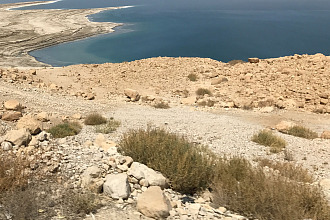
The Hula Valley wetlands shimmer in soft gold, brown, and muted green. Reeds bend gently, brushing against one another, while water reflects the pale autumn sky. Even the Negev Desert shows subtle signs of life as the first seasonal rains fall, carrying the scent of wet earth. Isaiah 35:1 declares, “The desert and the parched land shall be glad; the wilderness shall rejoice and blossom.” Sight, smell, and touch together reveal God’s care across all the land.
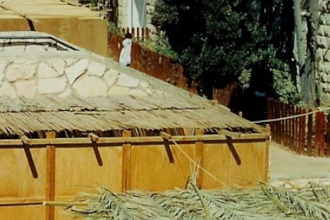
Jerusalem glows under autumn sunlight. Olive groves on the Mount of Olives shimmer in green and pale gold, and the city’s stone walls reflect warm amber and rose tones. Harvest festivals, particularly Sukkot, bring families and communities together in gratitude. Baskets overflow with grapes, figs, pomegranates, olives, and dates. The air is filled with the mingling scents of fruit, grain, and sukkah wood. These celebrations honor both the land and God’s provision.
Autumn in Israel demonstrates the rhythm of life and faith. Every leaf, every fruit, and every stalk of grain reflects the covenant between God and Israel. Psalm 65:9-10 affirms: “You visit the earth and water it; You greatly enrich it. The river of God is full of water; You provide their grain, for so You have prepared it.” Each harvest, from a single pomegranate to a field of wheat, shows God’s care and abundance.
Walking among groves, vineyards, and orchards in autumn, one feels the textures, smells, and flavors of creation. Olive trees, grapevines, wheat fields, fig trees, pomegranate orchards, and date palms testify to the bounty of the land. Autumn is a season of gratitude, mitzvot, and reflection, where every fruit, grain, and leaf offers a tangible reminder of divine provision in the land flowing with milk and honey.