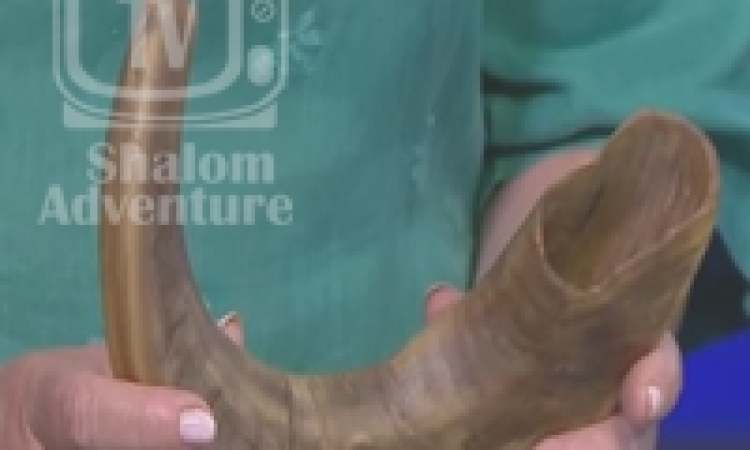
A shofar has been recovered from one of Europe’s oldest synagogues in Worms, Germany that was desecrated by Nazi mobs on Kristallnacht, translated to the English as the “Night of Broken Glass.”
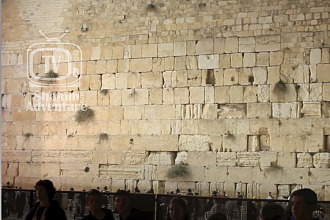
The Worms synagogue destroyed by the Nazis that fateful night in November 1938 was originally built around the year 1034, but the shofar miraculously survived the violent rampage. This shofar was recovered by a Frankfurt-born Jewish chaplain who escaped the war to the United States, became a U.S. soldier and citizen, but came back to Worms on a day trip years later to view the damage to the synagogue, his daughter reported to i24News.
“I knew this was something holy for the Jewish people,” a non-Jewish German woman told the Jewish chaplain presenting to him the shofar wrapped in a towel, the late chaplain's daughter told i24News. “There are no more Jews in our city of Worms. I waited to return this to Jewish hands.”
Kristallnacht, also known as Reichskristallnacht, translates from German to English as, “Crystal Night” or “Night of Broken Glass,” and refers to the broken glass glittering on the streets of Austria, Germany, and the Sudetenland province of the former Czechosolvakia when 48 hours of antisemetic demonstrations and Nazi paramilitary-led riots erupted. Synagogues and Jewish-owned businesses, schools, homes, and religious artifacts were burned, torched, pillaged, or otherwise destroyed. Tens of thousands of Jewish people, mostly men, were rounded up for transport to concentration camps. Furthermore, the German government fined the German Jewry on the order of one billion reichsmarks for allegedly initiating the violence and widespread damage.
“When we entered the house we saw the destruction...all the closets and furniture had been turned over, their contents spread all over the floor,” Jewish survivor Daniel Heiman accounted of Kristallnacht to Harretz. “Everything was in ruins with broken glass and precious crystals. In the midst of it all, my aunt sat in shock.”
Shofars, usually fashioned from a ram’s horn or the horn of another kosher animal, date back to biblical times and are sounded for important events as well as the High Holy Days. These musical horns are traditionally sounded multiple times during Rosh Hashanah services (the Jewish civil new year) signifying a call to repentance as well as the conclusion of Yom Kippur.
This ancient instrument is described by some in the i24News report as the “hope, triumph, and spirit in Israel,” and was also used to alert the people of the new moons (Rosh Chodesh) and the jubilee year. Shofars remain very much part of Jewish culture today.
Written by Erin Parfet