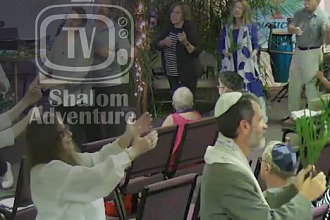

Sukkot, the Festival of Booths, calls us to dwell in temporary shelters while celebrating God’s protection, provision, and presence. The sukkah is fragile and open, reminding us of life’s impermanence and our reliance on the Divine. Beyond being a symbolic dwelling, it is a space for hospitality, reflecting the biblical call to welcome guests and care for others.
In Leviticus 23:42–43, we are commanded: “You shall live in booths for seven days; all citizens in Israel shall live in booths, so that your generations may know that I made the people of Israel dwell in booths when I brought them out of the land of Egypt: I am the Lord your God.”
The sukkah recalls God’s sheltering presence in the wilderness and invites us to extend that protection to others. Jewish tradition emphasizes hachnasat orchim, welcoming guests, as a mitzvah modeled by Abraham and Sarah, who received strangers with open arms (Genesis 18:1–8). Inviting others transforms a temporary shelter into a space of connection, blessing, and reflection.
Welcoming neighbors, friends, or even strangers cultivates humility, attentiveness, and generosity. Each guest reminds us that joy increases when shared and that growth often occurs in community. Proverbs 19:17 teaches: “Whoever is kind to the poor lends to the Lord, and He will reward them for what they have done.” Hospitality reflects God’s care and protection. The fragile walls of the sukkah echo the vulnerability inherent in true hospitality, requiring trust in God and in others who enter our space.
The lessons of the sukkah extend to everyday life. Opening homes, tables, and hearts to others is not limited to festivals or holidays. It is a practice that shapes character, nurtures empathy, and strengthens community. Proverbs 31:20 reminds us: “She opens her arms to the poor and extends her hands to the stranger.”
Hospitality is not only about meeting material needs. It creates space for people to feel welcome, valued, and seen. Simple gestures such as sharing a meal, offering a kind word, or inviting someone to join a gathering carry spiritual weight. These acts cultivate gratitude, strengthen relationships, and reveal God’s light in ordinary life.
Inviting others into our lives strengthens community. In a world often divided by busyness and self-interest, welcoming others is an act of care and moral attentiveness. It echoes the Torah’s call to remember that we were strangers in Egypt (Exodus 22:21; Deuteronomy 10:19): “You shall love the stranger, for you were strangers in the land of Egypt.” Consistent hospitality aligns our lives with Torah values and the example of our ancestors. Making room for neighbors, friends, colleagues, or even people we do not know well builds gratitude, humility, and insight while sharing joy, protection, and blessing.
The sukkah demonstrates the beauty of impermanence, openness, and communal celebration. Applying its lessons to daily life turns hospitality into a spiritual practice. Every home, meal, or moment of welcome becomes an opportunity to reflect God’s care. True hospitality is not bound by holidays or rituals. Living generously, seeing God’s presence in others, and creating meaningful connections are year-round practices.
Sukkot teaches that joy, blessing, and growth flourish when shared. Bringing the spirit of the sukkah into everyday life allows ordinary encounters to become moments of spiritual insight. Welcoming others is an enduring expression of holiness, meaningful in every season.