On the Days of Awe, the synagogue swells with the haunting refrain: Avinu Malkeinu. Over and over, the congregation cries, Our Father, our King. It is a prayer that has been whispered in fear, shouted in defiance, and wept through tears for centuries. What makes it so powerful is not just its words but the heart behind them. Avinu Malkeinu is more than a list of requests. It is a confession of who God is and who we are in His presence.
To call God Avinu is to remember that He is our Father. This name speaks of tenderness, nearness, and mercy. A father provides for his children even when they have little to give in return. A father bends down to lift up the weak. In this posture of childlike dependence, we dare to bring before God not only our noble desires but also our failures, our fears, and our wounds. When we cry, Avinu Malkeinu, choneinu va’aneinu, “Our Father, our King, be gracious to us and answer us,” we are not appealing to our worthiness but to His mercy.
To call God Malkeinu is to acknowledge His kingship. He is not a distant ruler but the One whose justice upholds the world. A king commands reverence, loyalty, and obedience. When we pray, Avinu Malkeinu, chatanu lefanecha, “Our Father, our King, we have sinned before You,” we are confessing that we stand guilty before His throne. Yet even here, the plea is not hopeless. The Judge is also our Father, and we trust that His verdict will be mingled with compassion.
The prayer holds these two names in tension: Father and King. If He were only Father, we might become complacent. If He were only King, we might despair. Together, they remind us that God’s authority is rooted in love, and His love is not without holiness. In this way, Avinu Malkeinu is the heart-cry of a people who long for both justice and mercy, for both correction and compassion.
Each line of the prayer touches a different human need. Avinu Malkeinu, aseh imanu lema’an shemecha, “Our Father, our King, deal with us for the sake of Your name,” lifts our eyes from ourselves and anchors our hope in God’s faithfulness. Avinu Malkeinu, batel me’aleinu kol gezeirah kashah, “Our Father, our King, annul all harsh decrees against us,” acknowledges the burdens we carry that feel beyond our control. Avinu Malkeinu, khtovenu b’sefer chayim tovim, “Our Father, our King, inscribe us in the Book of Good Life,” expresses the yearning not only for survival but for lives filled with goodness and purpose.
Psalm 103 echoes the same duality: “As a father has compassion on his children, so the Lord has compassion on those who fear Him, for He knows how we are formed, He remembers that we are dust.” God sees our frailty and yet calls us to live in awe. In Avinu Malkeinu, that psalm finds its living voice.
The Talmud recalls that Rabbi Akiva once reduced the many petitions to a single line: Avinu Malkeinu, ein lanu Melech ela Atah, “Our Father, our King, we have no King but You.” At its core, the prayer is less about the specifics of what we ask and more about surrender. It is the admission that no other power, no other authority, no other protector can stand in God’s place.
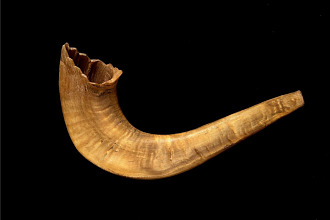
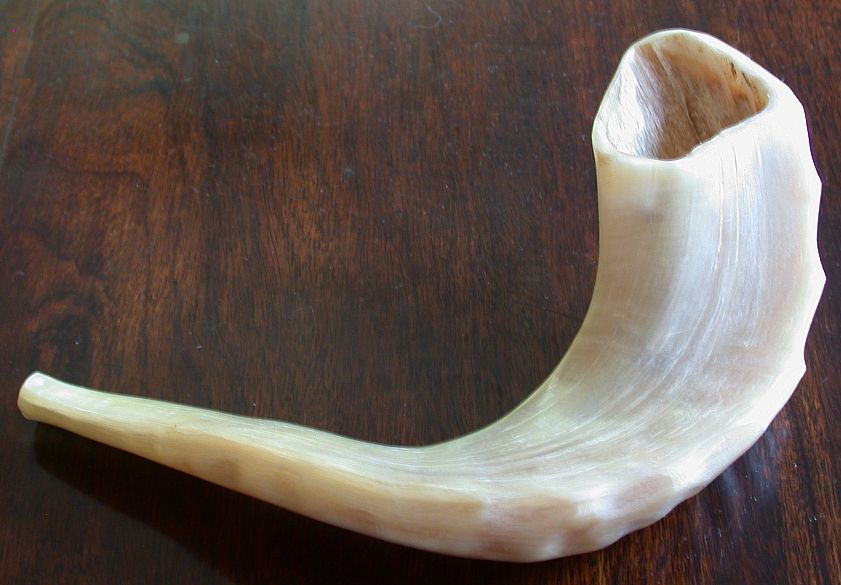
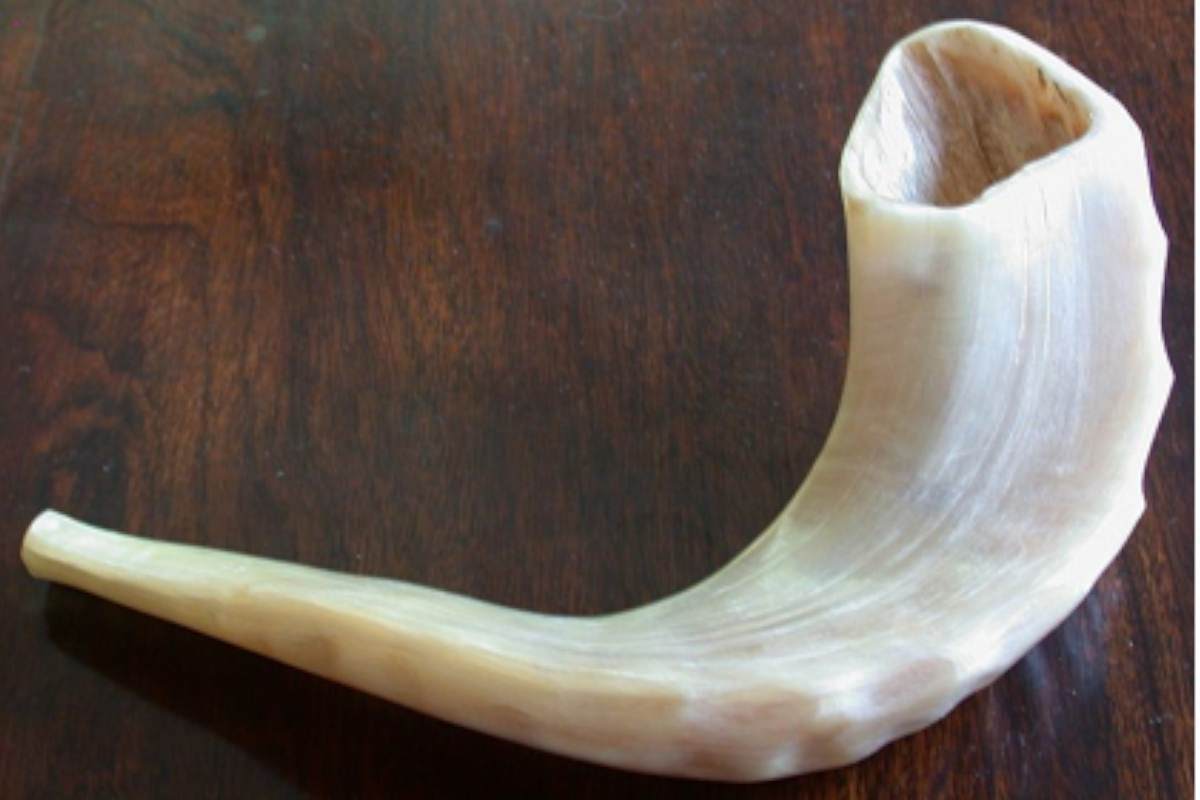
On Yom Kippur, when the prayer is sung repeatedly, its rhythm begins to feel like the groaning of the soul itself. Each repetition is like the sound of the shofar, rising and falling, urgent yet vulnerable. It strips away pretense. In those moments, the community stands together as children before their Father and subjects before their King, pleading not because they are worthy but because God is merciful.
Avinu Malkeinu is not a prayer for the strong but for the broken. It is the song of the sinner who still believes in forgiveness, the cry of the weary who still believe in hope, the voice of the people who still believe that even in judgment, God’s mercy endures. When the congregation joins in unison, it is as if generations past and present merge into a single cry: Father, King, we are Yours.
This is why the prayer remains timeless. Every human heart knows what it is to need both love and justice. Every soul longs to be seen in weakness yet lifted into hope. Avinu Malkeinu gives voice to that longing, not as polished speech but as the raw cry of those who stand before the Holy One of Israel. And in that cry, there is comfort. For we do not call into silence. We call upon our Father, our King.