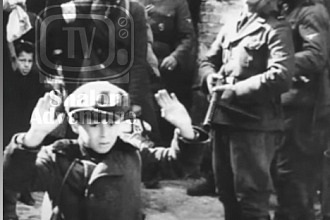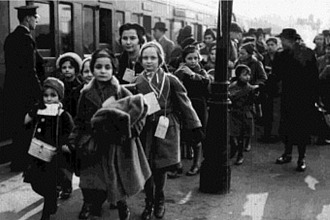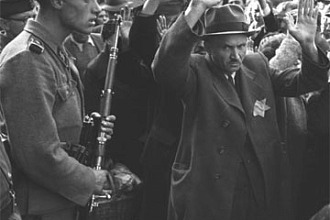
In the fall of 1943, German soldiers in Italy began rounding up Italian Jews and deporting them—10,000 people were sent to concentration camps during the nearly two-year Nazi occupation. Most never returned. But in Rome, a group of doctors saved at least 20 Jews from a similar fate, by diagnosing them with Syndrome K, a deadly, disfiguring, and contagiosissima disease.
The 450-year-old Fatebenefratelli Hospital is nestled on a tiny island in the middle of Rome’s Tiber River, just across from the Jewish Ghetto. When Nazis raided the area on Oct. 16, 1943, a handful of Jews fled to the Catholic hospital, where they were quickly given case files reading “Syndrome K.”
The disease did not exist in any medical textbook or physician’s chart. In fact, it didn’t exist at all. It was a code name invented by doctor and anti-fascist activist Adriano Ossicini, to help distinguish between real patients and healthy hideaways. (Political dissidents and a revolutionary underground radio station were also sheltered there from Italy’s Fascist regime.)
The fake illness was vividly imagined: Rooms holding “Syndrome K” sufferers were designated as dangerously infectious—dissuading Nazi inspectors from entering—and Jewish children were instructed to cough, in imitation of tuberculosis, when soldiers passed through the hospital.
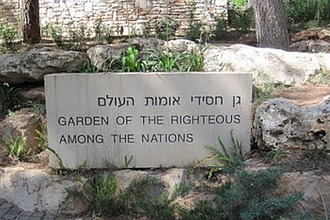
“The Nazis thought it was cancer or tuberculosis, and they fled like rabbits,” Vittorio Sacerdoti, a Jewish doctor working at the hospital under a false name, told the BBC in 2004. Another doctor orchestrating the life-saving lie was surgeon Giovani Borromeo, later recognized by Israeli Holocaust remembrance organization Yad Vashem as “righteous among nations.”
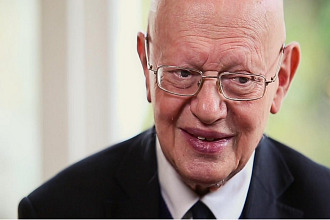
On June 21, Fatebenefratelli was honored as a “House of Life,” by the Raoul Wallenberg Foundation, a US organization dedicated to honoring heroic acts during the Holocaust. For the occasion, 96-year-old Ossicini granted an interview to Italian newspaper La Stampa (video in Italian) about the invention of the disease:
“Syndrome K was put on patient papers to indicate that the sick person wasn’t sick at all, but Jewish. We created those papers for Jewish people as if they were ordinary patients, and in the moment when we had to say what disease they suffered? It was Syndrome K, meaning ‘I am admitting a Jew,’ as if he or she were ill, but they were all healthy.
The idea to call it Syndrome K, like Kesserling or Kappler, was mine.”
Albert Kesserling was the German commander overseeing Rome’s occupation. SS chief Herbert Kappler had been installed as city police chief, and would later mastermind the Ardeatine massacre, a mass killing of Italian Jews and political prisoners in 1944.
“The lesson of my experience was that we have to act not for the sake of self-interest, but for principles,” said Ossicini. “Anything else is a shame.”
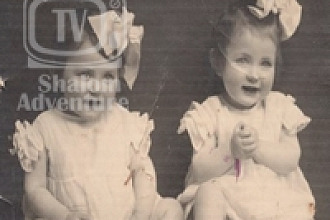
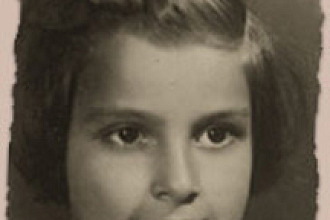
Accounts of how many Italian Jews were saved by Fatebenefratelli Hospital vary from dozens to hundreds, but survivor testimonies gathered by Yad Vashem confirm that at least a few more lives were saved after Oct. 16. Several families with small children sheltered there through the winter, until German forces swept through the hospital again in May 1944. One attendant at the Wallenberg ceremony, 83-year-old Luciana Tedesco, was safely hidden in the hospital as a small child during the last raid.
Italy’s Jewish community is one of oldest in Europe, and Syndrome K is one of many WWII-era anecdotes of ordinary Italians taking extraordinary action to save the lives of fellow citizens, made even more striking against the historical backdrop of Italy’s own anti-Semitic laws. Nearly 9,000 Roman Jews, of a community of 10,000, ultimately managed to evade arrest, a feat sadly dwarfed by the Third Reich’s genocidal mania in the last years of the war.
Article originally found here
Picture originally found here