Composting is a simple but deeply intelligent process for turning organic waste into fertile soil through natural decomposition. It is not just “letting things rot.” It is the creation of conditions where microscopic life can do structured work. Bacteria and fungi break down organic material into simpler compounds, and over time that material becomes humus-like soil, the dark, earthy substance that supports new plant growth.
For beginners, it helps to think of composting as building a small living system rather than managing a pile of trash. That system depends on four elements working together: carbon, nitrogen, moisture, and oxygen.
Carbon-rich materials are called browns. These are dry, fibrous inputs that create structure and airflow. Examples include shredded cereal boxes, dried pine needles, corrugated cardboard torn into strips, and brown paper bags that once carried groceries home.
One important nuance is that “brown” is not really about color. Some materials that look brown are actually nitrogen-rich, while some green-looking materials shift function over time. Coffee grounds, for instance, are dark but behave like greens because they are high in nitrogen. Fresh manure can look brown but still function as a green. Even plant material changes with time. Fresh grass clippings from a lawn act as greens even when they dry out and turn straw-like in appearance, because drying only removes water, not nitrogen. They only truly behave like browns when a plant dies naturally while still rooted and reabsorbs nutrients back into its system before becoming brittle.
Also, not all cardboard is equally ideal. Many cereal boxes have glossy coatings or laminated finishes that can introduce trace synthetic residues or break down slowly. By contrast, plain corrugated cardboard is generally preferred. Even the glue in most corrugated cardboard is starch-based and compostable, and in many systems worms actively feed on it. Only small amounts of exterior industrial adhesives may be less predictable, though usually negligible in home composting.
Nitrogen-rich materials are called greens. This category is less about visible greenness and more about how recently something lived and how quickly it can feed microbial activity. “Greens” are anything soft, moist, or biologically active that decomposes quickly and helps drive the heat and life inside the pile. They are the fast fuel of the system, the materials that microbes can break down easily and use to multiply.
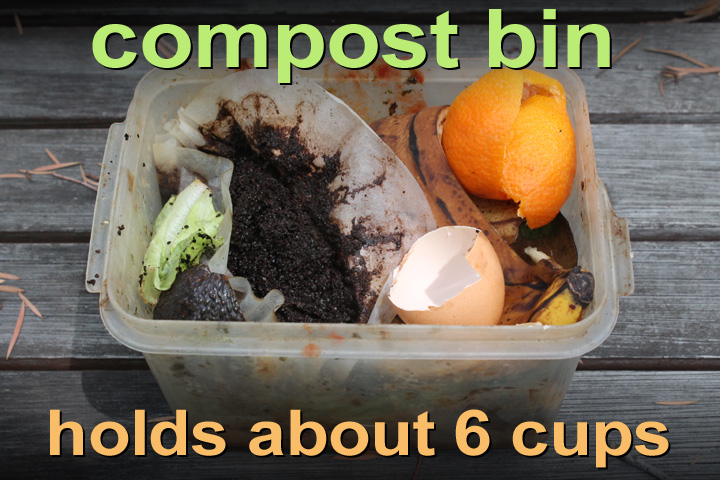
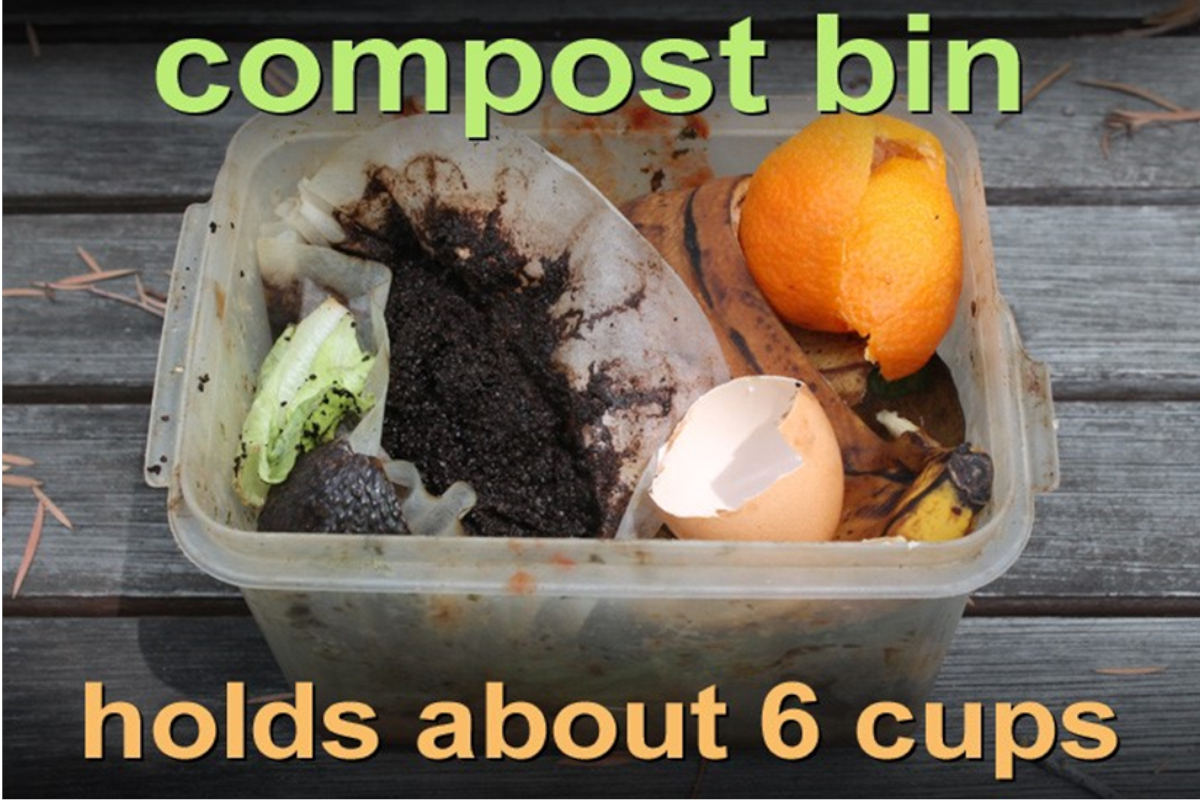
In practice, this includes a wide range of everyday and kitchen-based materials: potato peelings from latkes served during Hanukkah gatherings, eggshell-coated vegetable scraps from a Shabbat stew pot, onion trimmings left from preparing a kugel, carrot ends and celery leaves from making a large batch of chicken soup, and overripe fruit such as bananas or figs that were part of a weekday snack plate. It can also include spent tea leaves from a strong black tea, used coffee filters, or the soft remnants of cooked grains like rice or couscous left after a meal. Even wilted herbs like cilantro or dill from a weekday salad preparation belong here. The common thread is not color, but freshness, moisture, and ease of breakdown.
A common beginner guideline is a roughly three-to-one ratio of browns to greens by volume. This is often misunderstood as a strict rule, but it is really a practical estimate that helps you approximate the real chemistry. Microbes function best at an ideal carbon-to-nitrogen ratio of about 30:1 across the whole pile. Because browns like cardboard are extremely carbon-heavy and greens are much richer in nitrogen, you need more browns by volume to balance things out. The exact mix is flexible, but the principle is about reaching a balanced average, not measuring perfection.
To begin, you do not need advanced equipment. A backyard corner, a simple ventilated bin, or a compost tumbler is enough. Start with a base layer of browns to allow airflow. Then add greens as they become available. Covering food scraps with browns is useful for odor control and pests, but in smaller systems like tumblers, adding too much covering material every single time can unintentionally overwhelm the nitrogen supply and slow decomposition. In those cases, balance is something you adjust over several additions rather than every single layer.
Moisture is another key factor. Compost should feel like a wrung-out sponge, damp but not dripping. If it becomes too dry, microbial activity slows and the process can stall. If it becomes too wet, oxygen is displaced and the system can become compacted and sour. Adjusting moisture is usually as simple as adding dry browns or lightly sprinkling water while turning the pile.
Oxygen keeps the process aerobic, which is what makes composting efficient and relatively odor-free. Turning the pile every week or two with a pitchfork, shovel, or compost tool introduces air into the system. This supports organisms that require oxygen to break materials down effectively.
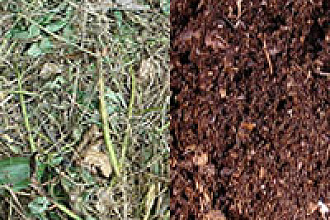
Over time, recognizable materials begin to lose their identity. Onion skins from challah stuffing, apple cores left after Rosh Hashanah desserts, carrot tops trimmed from tzimmes preparation, and challah crust crumbs collected after Shabbat all gradually disappear into the structure of the pile. At first you can still see fragments, but eventually everything becomes dark, soft, and uniform.
At that stage, what you have is finished compost, which is not quite the same as humus. Finished compost is the product after months of decomposition, but it still contains organic matter that will continue to break down when added to soil. Humus is the more stable end point, formed over years or even decades in natural systems, where the material becomes so transformed that it resists further microbial breakdown.
There is a quiet resonance here with Jewish ecological thought. The idea of l’ovdah u’l’shomrah, to work and to guard the natural world, frames human beings not as owners of the earth but as participants in its care. Composting fits that ethic naturally. It treats organic material as something that must return to the system rather than be removed from it entirely.
It also echoes a broader awareness in Jewish tradition that food is never just consumption. It is part of a cycle of blessing, use, and responsibility. Composting extends that cycle beyond the table, beyond the kitchen, and back into the soil that made the food possible in the first place.
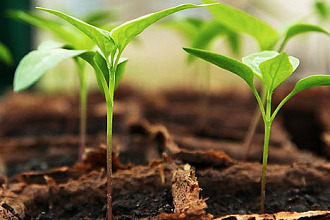
When the process is complete, the result is a dark, crumbly material that smells like forest soil after rain. It no longer resembles the original scraps. It can be mixed into garden beds, used for herbs like dill from a mezze spread, or added to soil for vegetables and fruiting plants such as tomatoes grown in a courtyard garden.
What makes composting especially approachable is that it does not depend on perfection. It depends on attention. You observe, adjust, and allow the system to stabilize over time. Slowly, what once looked like waste becomes part of a larger story, moving from kitchen to soil and back into new growth again.