Canvas bags slump across the back seat like tired companions after a long day. They carry stories in their creases. A tomato stain near one corner remembers last summer’s produce stand. A frayed strap recalls being dragged through rain during a hurried evening trip. These bags are not decorative symbols. They are practical tools that have settled into the flow of everyday life.
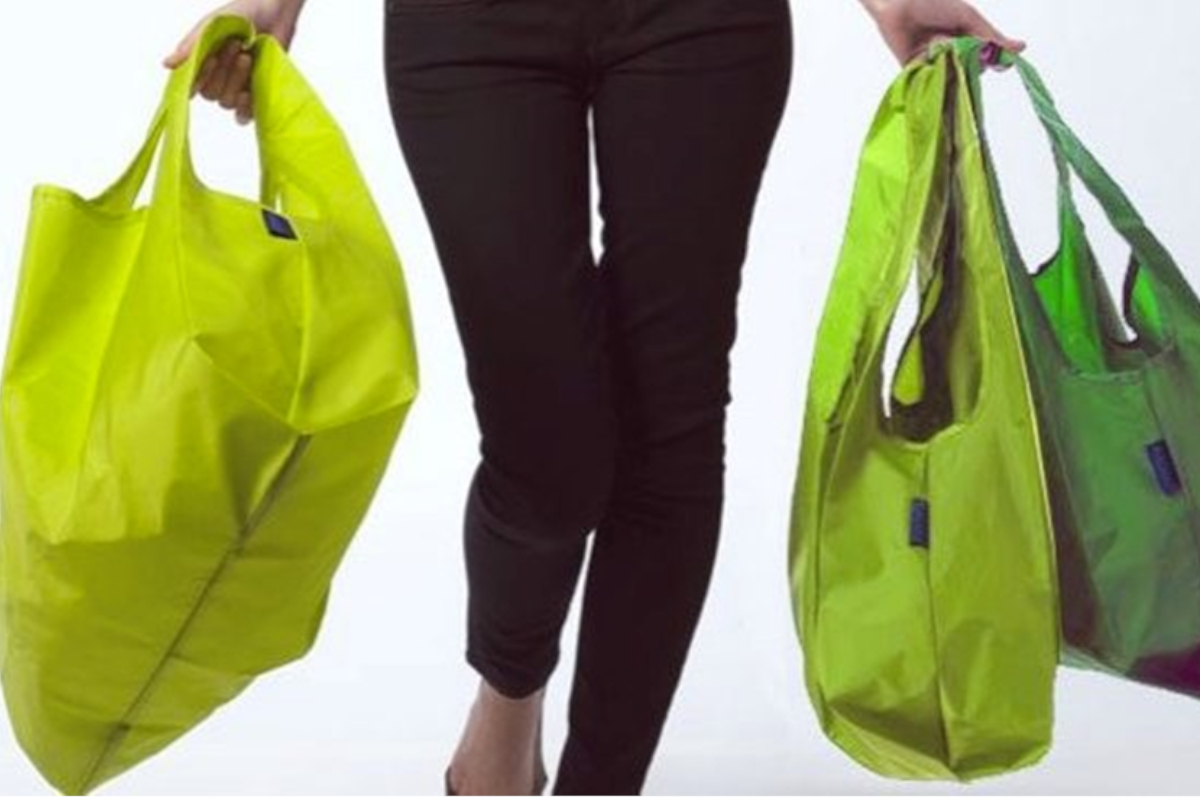
Walk into any grocery store on a busy afternoon and you can spot the quiet choreography. A shopper swings a sturdy cotton bag onto the counter and smooths it out before filling it with vegetables. Another pulls a crumpled bag from a coat pocket, bright colors unfolding with a soft snap. Each gesture says: I planned ahead. I came ready not to leave a trail of waste behind me.
Their story stretches back farther than people often remember. Before plastic handles looped over nearly every wrist, shoppers carried baskets, cloth sacks, or whatever sturdy container lived near the kitchen door. In many towns and villages, using the same bag each week was simply what people did. It was the habit of anyone who walked to a neighborhood market or relied on a weekly delivery from a local grocer. By the middle of the twentieth century, supermarkets introduced lightweight plastic bags to speed checkout and cut operating costs. Convenience won for a time. Only later did the public begin to understand where those bags traveled once discarded. They drifted into rivers, lodged in storm drains, and piled up in landfills. When cities and towns began experimenting with fees and limits, people rediscovered the older method: carry something that lasts.
Farmers markets were early adopters. Reusable bags fit naturally alongside crates of peaches and bunches of herbs. Supermarkets soon added racks of cotton, recycled fiber, and canvas bags near their entrances. Many people chose them not only for environmental reasons but because they held more and tore less. A good canvas tote can carry jars, fruit, and even a small watermelon without complaint.
They also changed the experience of shopping. Instead of the sharp crackle of thin plastic, there is the flat murmur of cloth and the steady settling of items against reinforced seams. Cashiers know how to pack them now. Boxes go along the sides. Fruit settles at the bottom. Delicate items ride on top. Each bag becomes a small project built to survive another outing.
The charm comes with imperfections. People forget them in the car and end up juggling groceries. Straps twist. Corners collect crumbs. Sometimes a bag is stretched past its limit and the stitching tightens in protest. Yet even the most worn bag feels honest, like a tool that has carried its share of family meals home.
There is also the small pleasure of choosing which one to bring. A worn tote from a favorite bookstore still faintly scented with ink and paper. A souvenir bag from a music festival, streaked with dust and confetti from that sun-soaked weekend. A lightweight canvas bag picked up on a trip, its fabric softened by sun and travel. A rugged cotton bag that has endured countless grocery trips, bulging with jars, crusty bread, and ripe tomatoes. Another bursts with color and character, a bold graphic print or quirky slogan collected at a street market. A sleek reusable bag from a local shop folds neatly into a pocket yet swells generously to hold unexpected finds. Each one carries traces of past errands and adventures offering familiar comfort every time it is lifted by the handles.
Over time, these bags take on a place in Jewish daily life in small but meaningful ways. They travel to the store before holidays and return filled with apples and honey for Rosh Hashanah. Trips before Passover send them home with bunches of parsley, boxes of matzah, potatoes, and jars of horseradish. A weekday grocery run might load them with couscous, fresh dill, lentils, and a container of hummus. Visits to friends bring them filled with grape juice, candles, challah, and whatever dish someone promised to contribute. Each outing adds another layer of familiarity, turning these simple bags into steady companions for the foods and traditions that nourish a home.
In Jewish thought, everyday actions often carry deep meaning. Choosing a reusable bag becomes a small expression of values such as bal tashchit, the call to avoid needless waste, and kavod ha briyot, respect for the world and the people who inhabit it. Folding a bag and tucking it into a purse or glove compartment is not merely preparation for an errand. It is a quiet acknowledgment that care for creation begins with the choices made in ordinary moments.