In the heart of winter, when the hills of Israel are still damp with soft rains and the air carries the scent of earth and budding life, Tu B’Shvat arrives quietly but with meaning. Known as the New Year for Trees, it is a celebration of growth, renewal, and the deep bond between the land and its people. Walk through orchards in the Galilee or Carmel and you can see the first tiny buds on early-blooming trees like almonds, while olives stretch their evergreen leaves against gray skies. Pomegranates, their fruit long harvested in the fall, stand bare on the branches, honored more through dried fruit and ritual than visible blossoms. Carob pods, dark and glossy, cling stubbornly to branches, remnants from the previous season, a reminder of sustenance in lean times.
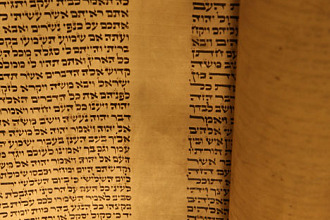
Tu B’Shvat has roots stretching deep into Jewish tradition. The Torah first marks this time as the start of the agricultural year for calculating tithes, blending practical farming concerns with reverence for the land. Over the centuries, it evolved into a festival of spiritual reflection and ecological awareness. In the mystical teachings of the Kabbalah, Tu B’Shvat became a symbolic birthday for the trees, celebrated with a special Seder. Families who observe the Seder taste fruits in a carefully ordered sequence, often highlighting the traditional produce of Israel’s land including grains, figs, dates, olives, and pomegranates, paired with nuts and wine to represent stages of creation and the flow of blessings. Scholars, rabbis, and farmers alike have long used this day to pause, observe, and honor the cycles of life that sustain human and natural worlds alike.
Across Israel, the season announces itself quietly. The Galilee slopes are dotted with early almond blossoms nodding in the winter wind. Markets and town squares reflect the rhythms of the season. Bright citrus, heavy and fragrant, is piled alongside figs and dates while nuts spill from wicker baskets, their shells cracked open to reveal edible treasures. Artisans and gardeners display juvenile trees for sale, and families wander among them, choosing greenery to plant in their yards, schools, and community gardens. In many neighborhoods, local authorities or youth movements organize communal plantings. Scouts, schoolchildren, and volunteers dig holes, set young trees in the soil, and cover them carefully, celebrating both nature and community.
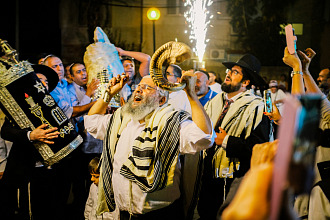
Kibbutzim and moshavim often hold larger festivals with music, storytelling, and outdoor activities that connect residents to the land and each other. Educational programs bring children outdoors to study the life cycles of trees, the role of pollinators, and the importance of soil health. Some schools hold art contests or science projects focused on environmental stewardship while communities cultivate small groves to commemorate the day. In recent years, environmental groups and municipalities have added modern initiatives such as native tree restoration, urban greening projects, and public workshops on sustainable gardening.
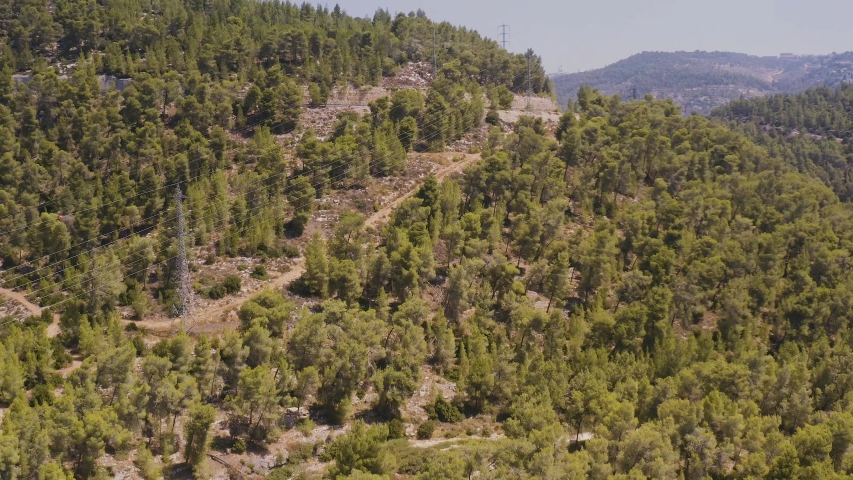
The history of reforestation in Israel is inseparable from Tu B’Shvat itself. Beginning in the early 20th century, the Jewish National Fund mobilized communities worldwide to plant trees across the country, turning barren hills into flourishing forests. Children sent gifts of juvenile trees from abroad, pioneers planted groves in the Negev and Galilee, and today forests like the Yatir and Ben Shemen stand as living testaments to decades of care, hope, and commitment to the land. Every new planting during Tu B’Shvat continues that legacy, linking each act of nurturing to generations of stewardship.