The air still carries the weight of smoke, though decades have passed. In the forests near Sobibor, the soil remembers the hurried graves, the thin earth pressed down over bodies stacked like firewood. The trees lean inward, as if ashamed to witness what passed beneath their branches. At Belzec, at Treblinka, the ground was a ledger of absence: children who never grew, mothers whose hands never left their infants’ shoulders, fathers whose eyes stared into the empty distance before the end. The earth here does not forget.
At Chelmno, death rode in trucks disguised as mercy. Engines hummed a steady dirge, carrying hundreds to the edge of oblivion with a grim efficiency. At Majdanek, the wind moves through crumbling barracks, tugging at the edges of memory, brushing against walls where people once counted hours by fear, hunger, and exhaustion. At Janowska, the air vibrates with the precision of cruelty, a reminder that systematic evil does not need grandeur to destroy life completely.
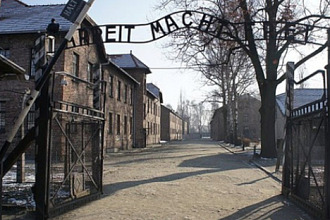
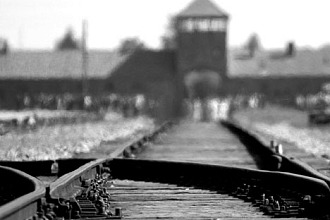
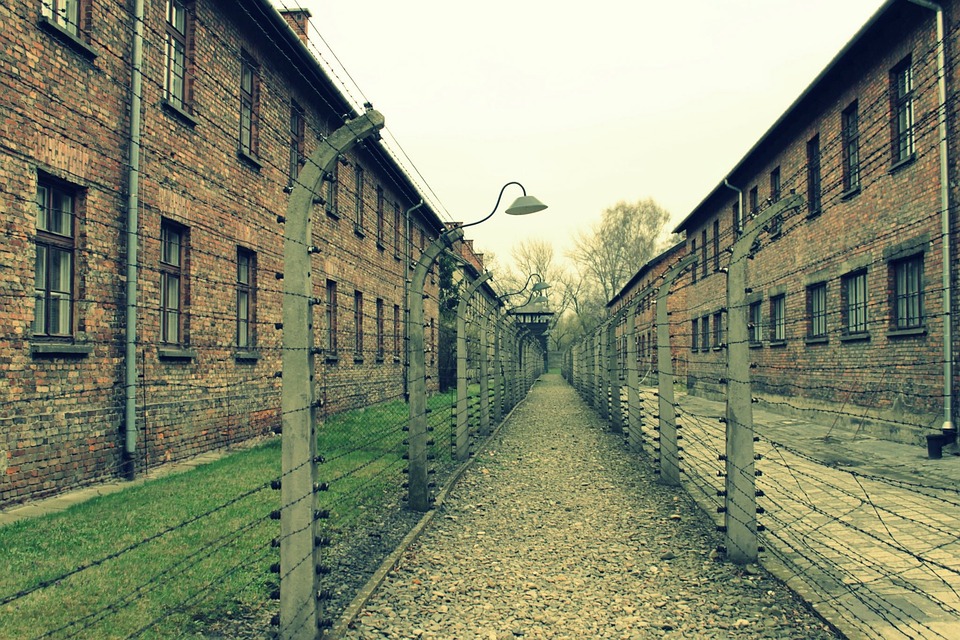
Even in Auschwitz, familiar as a symbol of horror, the details remain staggering: the faint smell of smoke lingering over chimneys, the remnants of shoes, eyeglasses, and forgotten possessions scattered in silent testimony. Lesser-known camps offer no reprieve from this truth. They multiply it, like shadows cast across history that refuse to be ignored. There is no comfort in scale; whether large or small, each camp was a machine designed to extinguish the human spark entirely.
Children slept once, somewhere, to lullabies whispered by mothers who would never rise again. That single thread of ordinary tenderness was all that remained before the machinery of death swallowed them. Elsewhere, fathers bent over small hands, promising safety they could not deliver. The ordinary acts of family, the simplest gestures of love, were consumed, leaving only the cold arithmetic of survival and its sudden cessation.
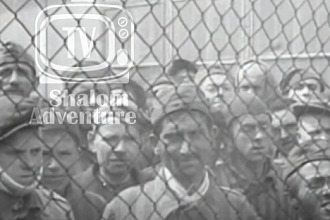
The horror is precise. Every camp was a system, a calculation, a moral inversion that turned care into cruelty, sustenance into poison, and hope into despair. The forests, the railways, the trucks, the barbed wire were instruments of efficiency, indifferent to suffering yet calibrated to it with horrifying accuracy. The human mind strains to comprehend the scale, yet the true terror is in the method, the systematic erasure of individuality, identity, and future.
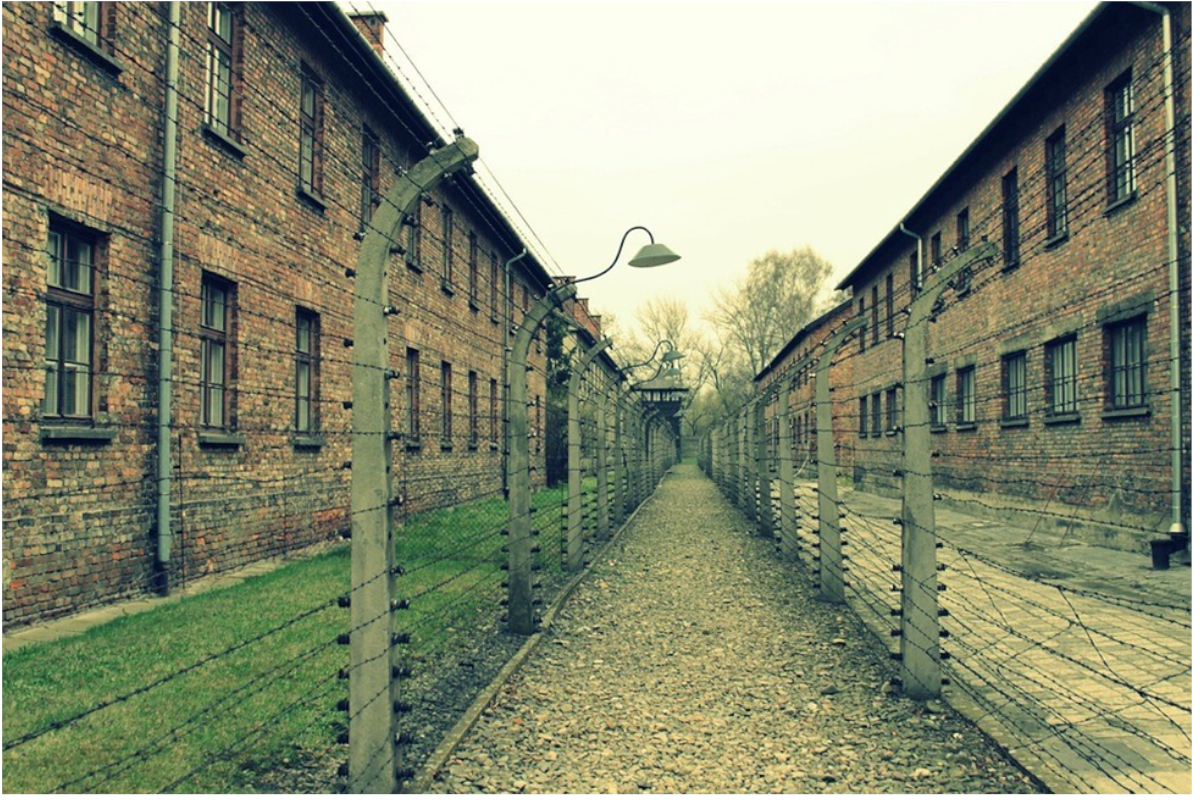
Even the ruins today do not offer solace. Stones crumble, fences rust, and chimneys lean against the wind, but the imprint of human suffering remains in the ground, in the pathways where people were forced to march, in the empty barracks where silence itself became a witness. It is a presence of consequence. The undeniable fact that such cruelty occurred requires recognition and acknowledgment.
There is no redemption here, no moral resolution, no cleansing of the stain. The weight is not in vengeance, but in acknowledgment, in recognition of the unimaginable losses endured. To walk through these spaces today is to feel that weight press against your own chest: the absence of lives that could have been, the annihilation of love, the deliberate destruction of hope. Forgetting would be participation in the erasure that was so methodically carried out.
History does not sleep. It waits in the stones, the soil, the broken bricks, and the hollow shells of buildings. It waits in the silence of the camps, where ordinary acts of life were obliterated with deliberate cruelty. To witness it, even indirectly, is to confront the darkness humans are capable of manufacturing in the name of ideology, obedience, or hatred. And it is to carry that darkness, to bear it, so that forgetting never allows it to rise again.
Even now, decades later, standing on the ground where smoke once rose and footsteps were silenced, one can feel the scope of what was done: the meticulousness, the ruthlessness, the calculated destruction. The Holocaust haunts in the clarity of what actually occurred, in the absence that still presses on history, memory, and conscience.
The dead know nothing. They are asleep as dust in the ground and do not demand remembrance. It falls to the living to remember, to speak, and to honor what was destroyed. For the dead, lullabies never stopped. They only ended too soon, and the responsibility to remember, to testify, rests entirely with the living.