There is a hush that settles on the soul when Elul arrives. The month does not shout with the drama of the High Holidays, nor is it filled with the visible joy of Sukkot or Purim. Instead, Elul comes quietly, like the soft light before sunrise, inviting us to slow down and listen.
The rabbis often explain Elul as a time when “the King is in the field.” The image is powerful. Instead of waiting in a palace surrounded by gates and guards, God draws near and meets us where we are. In the ordinary fields of our lives, in our workplaces and kitchens and prayer corners, the Holy One makes Himself available, as if leaning close to hear the whispers of our hearts.
Psalm 27, traditionally recited throughout this month, captures the spirit of Elul. “One thing I ask from the Lord, this only do I seek: that I may dwell in the house of the Lord all the days of my life, to gaze on the beauty of the Lord and to seek Him in His temple.” The psalm does not speak of judgment or fear, but of longing. Elul is not about dreading Rosh Hashanah. It is about yearning for closeness with God, about rediscovering the beauty of His presence before the shofar announces a new year.
There is also a tradition that Elul forms an acronym for Ani l’dodi v’dodi li which means “I am my beloved’s, and my beloved is mine” (Song of Songs 6:3). These words shift the focus from legalistic repentance to relationship. Teshuvah, or returning, is not just about fixing our mistakes. It is about turning our faces back toward the One who loves us most deeply. Elul asks us to remember that repentance is rooted in love.
Yet love alone does not erase the need for honesty. Psalm 51 gives voice to the heart that longs to be made new. “Create in me a pure heart, O God, and renew a steadfast spirit within me.” Elul holds these two psalms together. From Psalm 27 we learn desire for God’s presence. From Psalm 51 we learn humility in admitting our brokenness. Both are necessary if we are to step into the High Holy Days in humble truth.
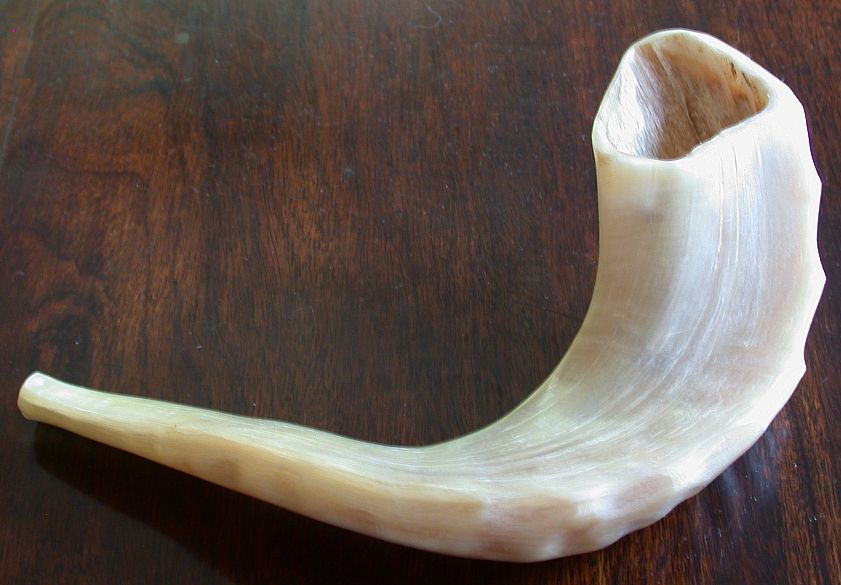
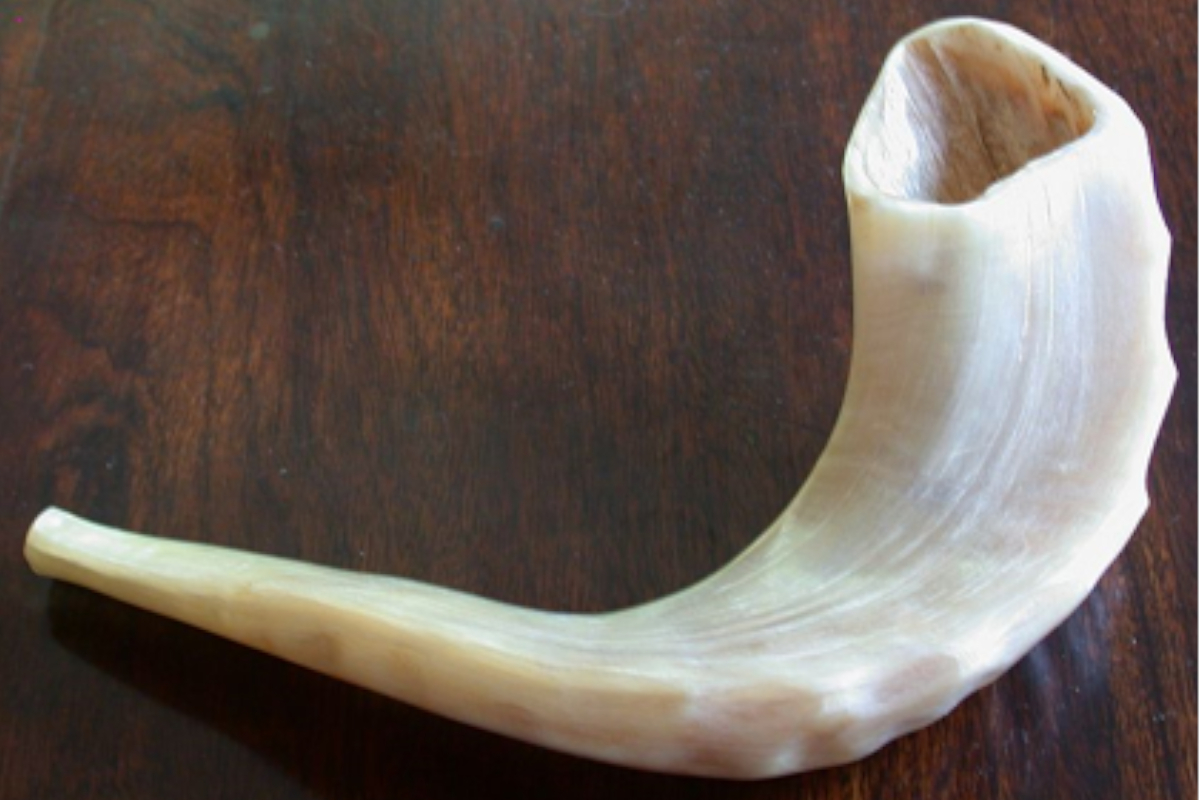
This season can be likened to hearing a faint melody in the distance. The shofar blasts of Tishrei are loud and commanding, but Elul is the soft prelude. Its music calls us to tune our hearts before the concert begins. In that quiet song, we begin to awaken from spiritual slumber. The Rambam taught that the shofar cries out, “Awake, you who sleep from your slumber, and search your deeds, and return in repentance.” Elul is the month when we prepare our ears to truly hear that call.
Elul is not about perfection. It is about direction. Each small step toward prayer, toward kindness, toward reconciliation is a step into the field where the King is waiting. To enter Elul is to begin walking home, knowing that the Beloved runs to meet us on the way.
O Lord, my light and my salvation, in this month of Elul I draw near to You. Teach my heart to long for Your beauty and my spirit to rest in Your presence. Where I have failed, wash me clean and create in me a pure heart. Where I am weary, renew my strength. Let my steps turn toward You with love, and may I hear the sound of Your voice calling me home. I am Yours, and You are mine. Amen.