The Jewish month of Tevet slips into the calendar when the year is at its coldest and darkest. Hanukkah light still lingers at the start of the month, but soon the menorahs are packed away and the long winter sets in. Tevet does not come with the joy of Tishrei or the celebration of Adar. It comes with a hush, a gravity, and an invitation to look inward.
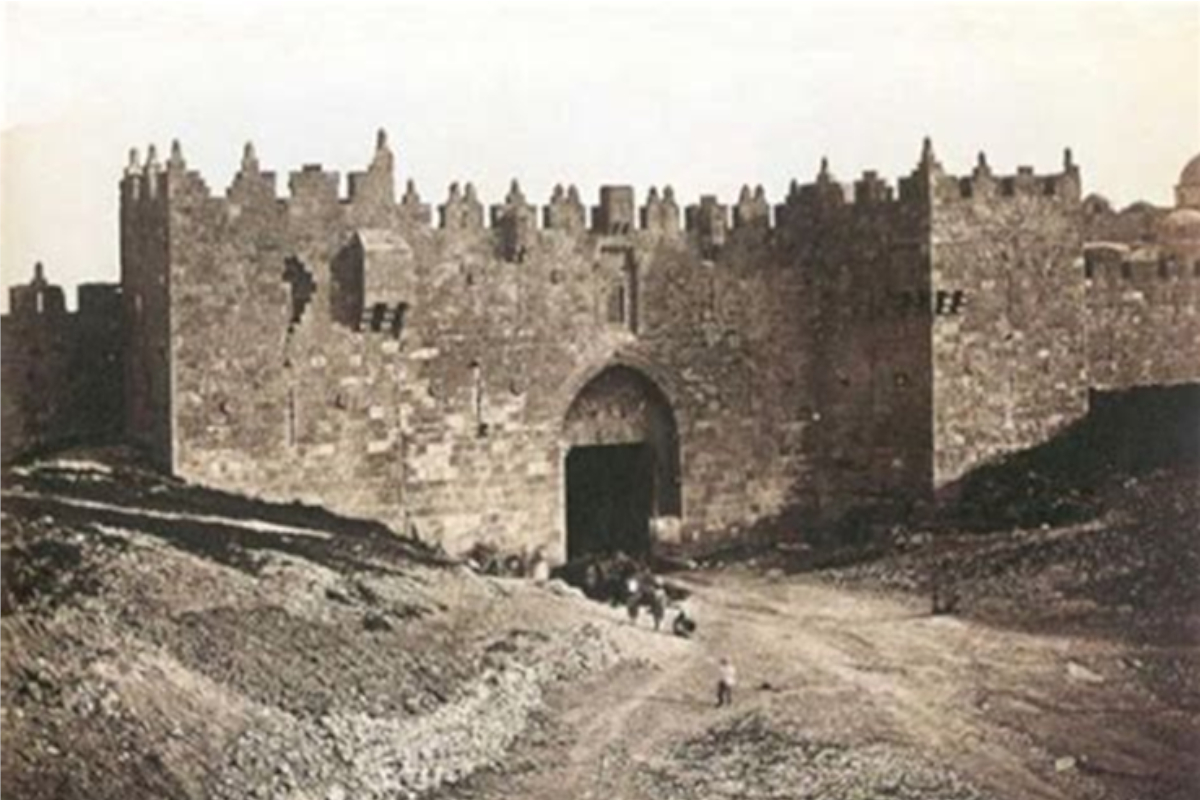
Tevet’s days hold a complicated history. On the tenth of Tevet, Jews fast to remember the siege of Jerusalem that led to the destruction of the First Temple. The fast is not as well-known as Yom Kippur or Tisha B’Av, yet it carries a deep message. It reminds us that before destruction comes warning signs: cracks in the wall, divisions within the people, blind spots in leadership. The siege was not just a military event; it was a mirror showing the fractures inside the community.
That theme of seeing clearly runs throughout the month. Rabbinic tradition connects Tevet with the tribe of Dan, whose symbol is a serpent. Some commentaries say Dan’s gift was the ability to judge, to discern truth from falsehood. In Tevet, when the sun is weak and the world seems veiled in shadow, the call is to sharpen inner vision. Do we see things as they are, or only as we want them to be?
Tevet is also a month of stories. In Jewish memory, this is when Esther was taken to the palace of Ahasuerus. The setting could not be more different from Jerusalem under siege: Persia’s glittering court, with its hidden dangers and its unexpected opportunities. Out of that moment of vulnerability grew the courage that would one day save a people. Tevet whispers that what begins in secrecy or sorrow can still lead to redemption.
Perhaps that is Tevet’s lesson: endurance and clarity in small things. There are no pilgrim festivals, no new year, no harvest to gather in. There is only the discipline of daily faith, the kind that keeps going when nothing grand is happening. Lighting a candle in a quiet room. Offering a prayer even when the heavens seem silent. Choosing kindness in the middle of ordinary winter days.
Tevet teaches that holiness is not only in the great celebrations. It is in the unseen moments, when we strengthen our walls before they crumble, when we choose vision over blindness, when we carry the memory of light into the heart of the year’s darkness.