Iyar is the month that follows the jubilant spring of Nissan, bringing a quieter, reflective energy to the land of Israel. The early blossoms of spring have passed, fields remain green, and steady warmth settles deeper into the soil. Iyar is often understood as a month of healing and restoration, a pause after the drama of liberation when freedom begins to take shape through daily living rather than sudden change.
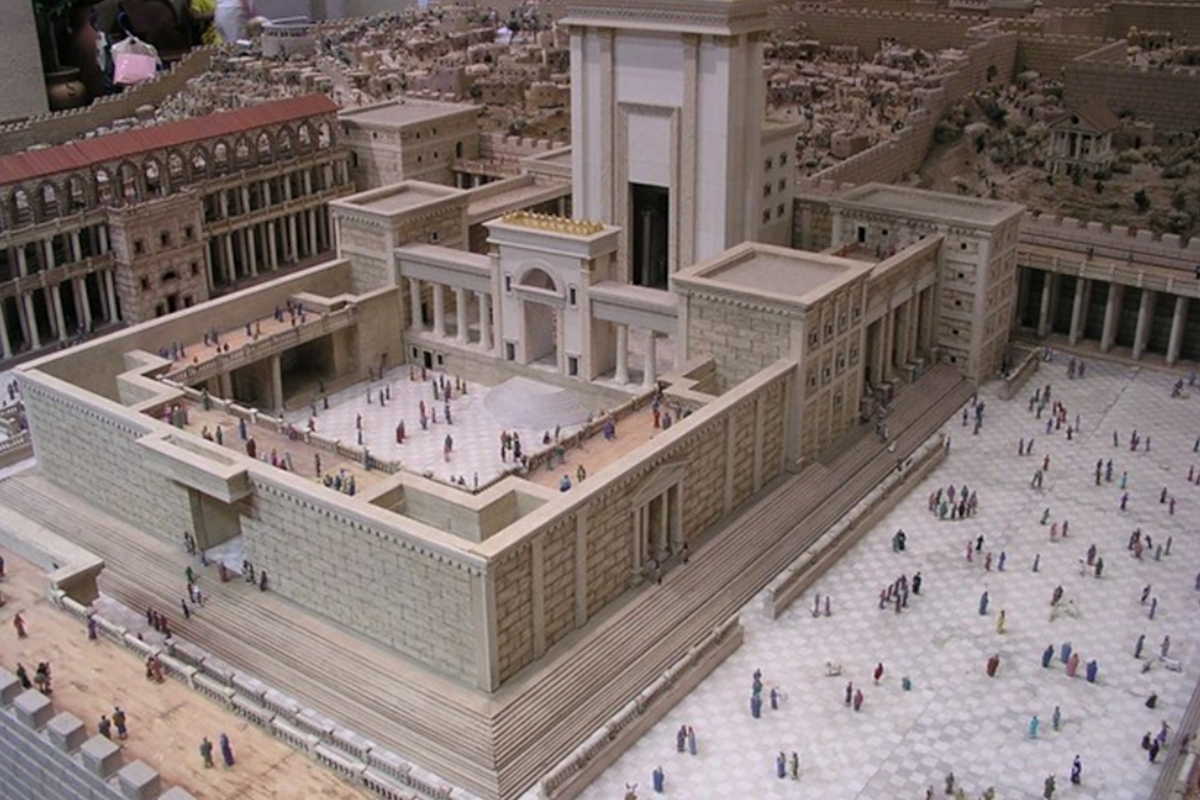
Biblically, Iyar unfolds during the Israelites’ journey through the wilderness. Having left Egypt, the people move forward into uncertainty learning patience and trust along the way. It is midway through the month that manna first appears, falling day by day rather than in abundance, shaping a people accustomed to provision that must be gathered anew each morning. This pattern of reliance marks a shift from rescue to responsibility. The month also carries echoes of building and preparation; tradition holds that the construction of Solomon’s Temple began during Iyar linking physical labor with long-term vision.
Moments of memory and meaning gather as the month progresses. Pesach Sheni, observed in the middle of Iyar, offers a pause in the calendar for second chances, reminding the community that missed moments are not always lost. As the days continue, remembrance and celebration arrive in close succession. Yom HaZikaron honors those who have fallen followed almost immediately by Yom HaAtzmaut affirming national rebirth. Later in the month, Lag BaOmer breaks the quiet with light and gathering, recalling both the end of a devastating plague and the legacy of Rabbi Shimon bar Yochai. Near Iyar’s close, Yom Yerushalayim turns attention toward the city at the heart of Jewish history and hope.
Themes of healing deepen throughout these weeks, not as a sudden cure but as a gradual return to wholeness. Jewish tradition directly links Iyar with healing on physical, emotional, and spiritual levels, drawing on the understanding that the Hebrew name of the month forms an acronym for the biblical declaration, “I am the Lord who heals you.” This association frames Iyar as a time when repair is possible but requires patience and participation. The entire span of Iyar takes place within the counting of the Omer, a daily act that transforms passing days into deliberate moments. Each count invites reflection on personal growth and moral refinement reinforcing the idea that lasting change is built step by step. Progress in Iyar is measured not by speed or visible results but by attention, steadiness, and the willingness to remain engaged even when transformation feels slow.
On the land, this inner work is matched by active labor. Iyar marks the transition between harvests, as the barley fields of early spring give way to the ripening wheat. In ancient Israel, these weeks were among the busiest of the agricultural year, especially in the lowlands, where grain was gathered before the heat of summer arrived. Vines begin to flower, orchards thicken, and farmers move steadily through long days of work that will determine the season ahead.
Compared to the festival-filled days of Nisan, Iyar moves with restraint, yet it presses forward. Liberation is no longer new; it must be maintained and carried. By the month’s end, both land and spirit are prepared for Shavuot, shaped by effort, memory, and daily commitment.
Iyar becomes a time for remembering, restoring, and preparing. It invites patience, honors labor both visible and unseen, and affirms that even in quieter stretches of the year, life advances with purpose, guided by hope, responsibility, and the enduring promise of covenant.