Nisan is the month when spring stirs the land of Israel, when the sun lingers longer over hills and valleys and the earth begins to turn fully toward renewal. It is a month that carries history, memory, and hope within its days. For the Jewish people, Nisan is the time of freedom and beginnings. The Torah calls it the first month of the year. Rabbinic tradition identifies the first of Nisan as the point from which the years of Israel’s kings and the cycle of festivals are counted. It is the month in which the Exodus from Egypt took place, a story told and retold each year, connecting generations across centuries and continents.
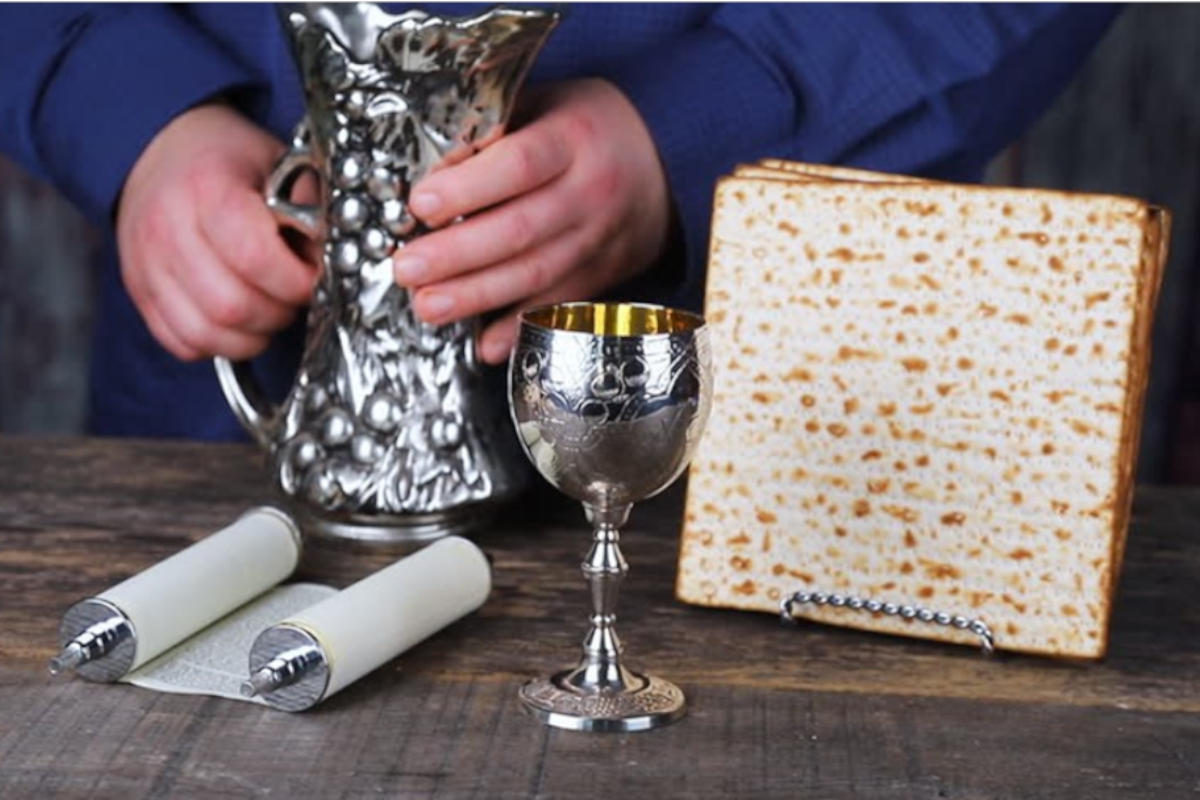
The story of the first Passover is etched into the collective memory. The Israelites were slaves, laboring under Pharaoh’s hand for hundreds of years. God instructed them to prepare a lamb without blemish, to mark their doorposts with its blood, and to eat the lamb together with unleavened bread and bitter herbs, as part of the first Passover meal. The lamb symbolizes God’s protection and deliverance, the unleavened bread reflects the haste of their departure from Egypt, and the bitter herbs recall the suffering of slavery. The night was filled with fear and hope as the angel of death passed over the homes of the faithful while sparing them from the final plague. The Talmud reflects on Nisan as the month of redemption, stating that it is when the world began to be measured by the first acts of divine deliverance, the first steps of Israel’s journey toward nationhood.
Beyond the Exodus, Nisan holds significance in other biblical moments. Joshua and the Israelites first crossed the Jordan River in Nisan, entering the land that had been promised to their ancestors. The Temple in Jerusalem was consecrated in Nisan, marking the beginning of its service. The Mishnah notes that certain sacrifices took place during this month, linking the cycles of history with cycles of worship. In biblical Israel, the arrival of Nisan also reset the official count of a king’s rule, so that even a brief accession just before the month began was treated as a full regnal year. Kings have been crowned, journeys begun, and prayers for salvation whispered at the edge of dawn. It is a month of beginnings, a time to remember that every act of faith can lead to liberation.
The season itself mirrors these stories. Earlier in the year, almond trees announce the first stirrings of spring, their white and pale pink blossoms briefly clouding the landscape. By the time Nisan arrives, most of those blossoms have fallen, replaced by fresh green leaves and the first signs of fruit, though in cooler highland regions a few late blooms may still linger. Rivers run clearer after the winter rains, citrus trees bend under the weight of bright fruit, and the first wildflowers appear on hillsides. The world feels renewed, as if the earth itself participates in the themes of redemption and hope that define the month.
Families prepare for Passover, removing leaven from their homes, sweeping corners and cupboards with care, teaching children to count the days and to understand that freedom is both a gift and a responsibility. Even the quiet rituals, washing hands before meals, lighting candles, breaking matzah, carry the weight of history. Each gesture becomes a bridge between the present and the time of the Exodus.
Rabbinic writings emphasize the spiritual lessons of Nisan. The Talmud teaches that in this month, God brought the Israelites out of Egypt, redeeming them from slavery and marking the beginning of the covenantal relationship that continues through generations. This understanding is rooted in Tractate Rosh Hashanah 11a, where Rabbi Yehoshua links Nisan with the unfolding of redemption. It is a time for reflection, for recognizing how liberation can take many forms, both physical and spiritual. The prophets often recall the significance of deliverance in Nisan, connecting personal and communal redemption with the land and its seasons.
In modern Israel, Nisan retains its sense of renewal and anticipation. Passover is celebrated not only in homes but in communities, in ways that bring together Jews from diverse backgrounds. The month also heralds the agricultural cycle, the planting and tending of crops that sustain life. There is a palpable sense of joy, a celebration of survival, faith, and the turning of the year toward longer days and brighter skies.
By the time Nisan wanes, the early blossoms are long gone and fruit has begun to set on the trees, leaving a feeling of both completion and new beginnings. The stories of the past live on in memory and in practice, reminding those who mark the month that every year carries the potential for freedom, growth, and hope. Nisan is more than a month. It is a time to step into the light, to remember where we have come from, and to walk forward with courage toward the possibilities that lie ahead.