Cheshvan arrives like a soft, steady breath after Tishri’s roar. Sometimes called Mar Cheshvan, the “bitter” month, it has no grand holidays to announce its coming, no festivals to demand attention. At first, the month seems empty, even stark. Yet within its quiet lies a sacred secret: transformation is taking place beneath the surface. The world may appear still, even barren, but subtle growth is occurring, shaping hearts and souls in ways we cannot yet see.
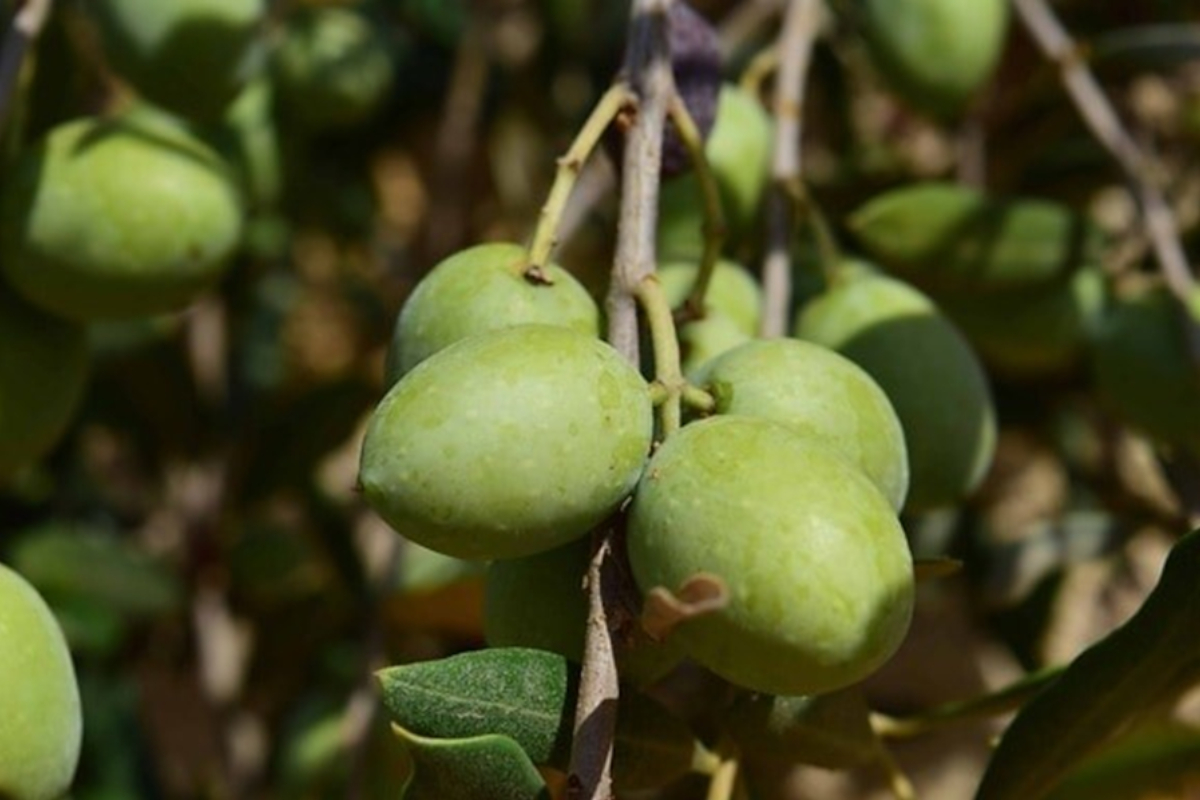
This is the month of the olive harvest in Israel, when the fields are heavy with fruit and the labor of gathering begins. Olive trees rise twisted with age, branches bowed with green and purple clusters. A soft breeze nudges the olives free, and they tumble gently into nets below, scattered like quiet, hidden blessings. Their skins are firm, their flesh bitter at first, yet inside flows oil, golden, fragrant, and nourishing. Only through patience and careful pressure is this essence revealed. The olive harvest offers a vivid illustration of the soul’s work. Our prayers, struggles, and quiet acts of faith are like these harvested fruits, maturing patiently, awaiting the moment when their fullness can be revealed.
The bitterness of life’s trials, like the firm, bitter flesh of the olive pressed under care, is eventually transformed by God’s grace. Just as olives yield their hidden oil only through patience and pressure, so too are our hearts refined through challenges. All things become beautiful in their appointed time, even if we do not witness full healing or resolution in this life. The unseen work of the soul quietly shapes us to receive the light, the joy, and the abundance that await in God’s perfect timing.
Even in the mundane, in the office, the classroom, the kitchen, or the neighborhood street, God is present. His presence does not depend on festivals or trumpets, but abides in the steady rhythm of ordinary days. Cheshvan is a season when we are not preparing for festivities or going to and fro in ritual obligations, a quiet time in which we can devote ourselves to God through practical love and care. It is an opportunity to serve the widow, the orphan, the oppressed, the sick, the prisoner, and the sojourner in our land. In attending to the needs of the vulnerable, we live out pure and undefiled religion, expressing faith through mercy to others.
Every ordinary task, in every ordinary day, every moment spent listening, helping, or showing kindness, becomes an opportunity to honor God. Our daily living of faith, through devotion, compassion, and practical acts of love, helps shape our hearts and ready us for the future wedding feast, the banquet of redemption, when all bitterness will be turned to sweetness, every tear wiped away, and the fullness of God’s abundance revealed. Through the quiet, faithful living of each day, we can participate in the sacred work of preparing our souls for the eternal celebration to come.