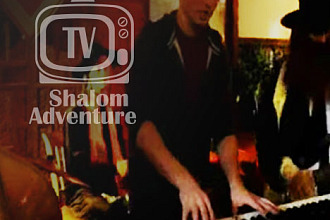
Temple and the rededication of sacred space. In his song Chanukah, Marty Goetz captures the essence of this festival, offering a deeply personal reflection on what it means to dedicate not just a building, but a life, to God. The song transforms historical memory into living experience, inviting every listener to examine the altar of their own heart.
In the opening lines, Goetz asks God to make his life a temple, acknowledging the idols we may have unknowingly raised within. This prayer is both intimate and universal, encouraging a season of inner cleansing. Chanukah becomes more than the lighting of candles. It is a call to confront the parts of ourselves that distract from God’s presence and to restore the sacredness that belongs in every moment of our lives.
The chorus, “On this Chanukah, on this Feast of Dedication, I dedicate myself to You,” serves as a bridge between ancient ritual and modern devotion. The Maccabees’ rededication of the Temple becomes a mirror for personal spiritual renewal. Each repetition of the chorus emphasizes commitment, reminding us that dedication is an ongoing choice, not a single act of remembrance.
Vulnerability flows through the lyrics, inviting listeners to offer their weaknesses and limitations openly. Goetz prays for the cleansing and repair of the defiled altar within himself and seeks to make his mortal body a dwelling worthy of God’s presence. The imagery of faltering steps, hidden shame, and insufficient oil reflects our own human struggle. Yet even in imperfection, the song carries hope, whispering a prayer for divine fire and light that can transform weakness into testimony.
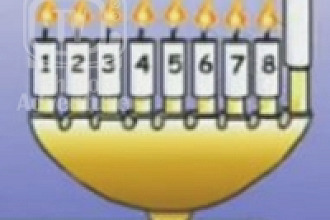
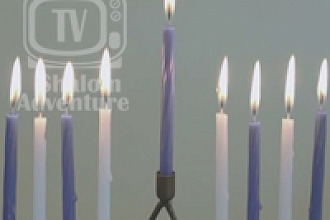
Candles on the menorah illuminate more than the night. Each flickering flame represents prayer, longing, and the desire for divine presence. Goetz writes of the inner spark that God kindles in response to our devotion, a reminder that miracles are not confined to history books. They are invitations to experience God’s love and restoration here and now. The song makes clear that dedication is not about perfection or quantity of effort, but about openness, sincerity, and the willingness to seek the light.
Ultimately, Chanukah challenges us to reflect on what it means to truly dedicate ourselves to God. It is a call to honesty, humility, and intentionality. The song encourages us to examine our own lives, to dismantle the idols we have allowed to take root, and to make room for the light of God’s presence. As we light our menorahs, Goetz’s prayer becomes ours: to see the miraculous not only in grand moments but in everyday acts of faith, love, and devotion.