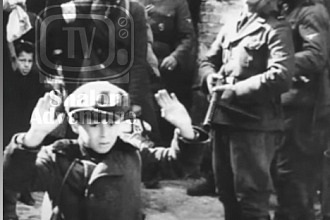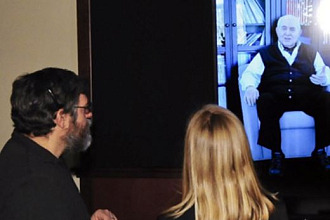
In this video we will get to hear the stories of both a Holocaust survivor and a former Neo-Nazi. I think this is very important. It points out why people could be led down a path of bigotry that leads to horrific violence. While it isn’t good even at the beginning it doesn’t always start off extreme. The former neo-Nazi speaks of how he would categorize people as good or bad, hardworking or stupid, insiders or outsiders based on where they were from. And of course, he considered himself to be part of the righteous group of people and thought that the extent sufferings others experienced by the hand of the Germans was exaggerated.
When he was younger, he acknowledged the holocaust as a crime but thought that Germans shouldn’t have to deal with that forever so they had to find a way to deal with it. But as time when on he started to increasingly get into revisionist history and questioned why Germany would have laws suppressing antisemitic bigotry and assumed the truth wouldn’t need a law to support it. When the more traditional extremist group he joined didn’t seem disciplined enough for his liking he joined a nationalist movement that still held bigoted beliefs but distanced themselves from the label of nazi.
He reflected on how although he wasn’t physically violent dehumanizing others can lead to psychological harm as well as put them in physical danger by encouraging others to view people as a problem that must be gotten rid of. Which is the very thing he said played a role in the causing the holocaust he used to downplay. The Holocaust survivor spoke of how the repressive laws progressively got worse for the Jewish people in Hungry and there is a lot you can learn from him as well and I would encourage you to watch the video for yourself.
I think it is important to note just how much a lack of humility and a misguided sense of self fueled his bigotry and to not assume we are immune to evil ourselves. When your core sense of self is tied to identifying yourself and others like you as righteous it is harder to accept any evidence that you and/or they aren’t in regards to anything. And the less we are willing to accept that we can be wrong the more we will double down and try to justify harmful behavior by looking for excuses as to why wrong is not wrong when done us or by those we identify with.
I also believe a lack of individual identity makes it a lot harder to not fall into blind loyalty to group behavior. Also, when you have a weak sense of self there more of a need to boost one’s own sense of worth by seeing others as less than. But a healthy sense of self that doesn’t define one’s value by what one does, can free someone to actually do far better morally than those who tie their sense of self to group identity and self-righteousness. This is because a fragile sense of self-worth cannot bear criticism and the ability to be wrong, but those with healthy sense of self are open to admitting they can be wrong and commit to do better in the future.