In the wake of the recent release of living hostages by Hamas, many in Israel are again calling for the return of those who died in captivity so they can be buried at home. For grieving families, bringing back the bodies of loved ones is not only a humanitarian concern but also a deeply religious one. In Jewish faith and history, returning the dead to Israel fulfills a command rooted in reverence for life, respect for the body, and the enduring bond between God, the people, and the land. These acts of recovery are inseparable from the broader political and historical context, reflecting the urgency and sensitivities of life and death during ongoing conflict.
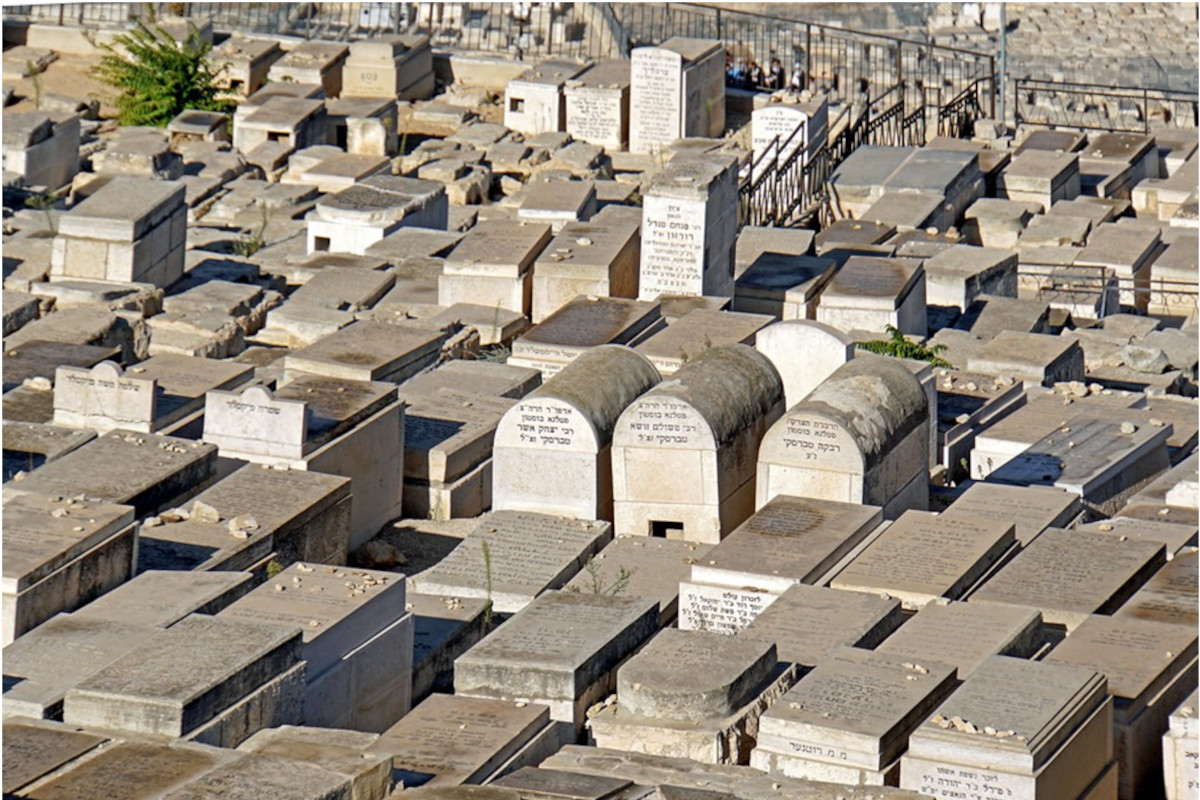
Burial in the Land of Israel is traditionally viewed as a sign of belonging to the covenant first made with the patriarchs. The soil is regarded as set apart, a place where God’s presence and promises meet human life. From ancient times, the patriarchs Jacob and Joseph asked that their bodies be carried from foreign lands and laid to rest among their ancestors, establishing a precedent that has shaped Jewish identity across centuries of exile. To be buried in Israel, even after dying far away, affirms that the connection to the land does not end with death. While this principle is widely respected, customs and interpretations vary across Jewish communities. Orthodox practice adheres strictly to traditional burial rites, while Reform, Conservative, and other movements may interpret the significance differently or emphasize the immortality of the soul rather than physical resurrection.
The command to honor the dead, known as kavod ha-met, remains central across Jewish practice. Human dignity does not end with death, and the body, which once carried the breath of life and bore the image of God, continues to require care and protection. Caring for the deceased is considered a pure act of kindness, done with no expectation of repayment. Members of the chevra kadisha, the traditional burial society, wash and prepare the body, wrap it in simple white shrouds, and ensure it is not exposed or desecrated. These acts are performed with reverence and equality, affirming that every person, regardless of status, deserves respect in death.
Prompt burial is another expression of kavod ha-met. Jewish law advises that burial take place as soon as possible, ideally within twenty-four hours, although practical or legal circumstances can delay this. Organizations such as ZAKA are devoted to recovering even the smallest fragments of human remains to ensure that no part of a person is left unburied. Wholeness in burial mirrors wholeness in life and reflects the belief that every human being retains worth before God, even in death.
Recovering the dead also allows the living to perform mourning rituals such as shiva and the recitation of kaddish, giving shape to grief and affirming faith in eternal life. When a body cannot be recovered, Jewish law and tradition provide ways to mark the loss and honor the deceased, such as symbolic burials or memorials, enabling families to begin mourning even in absence. Families whose loved ones remain in captivity or missing experience a grief that feels suspended in time, waiting for closure. Bringing the dead home, when possible, restores both personal and communal dignity, while alternative rituals allow the community to acknowledge loss and maintain spiritual connection when recovery is not feasible.
For many Israelis, returning the dead is more than a ritual. It expresses faith that every life, even when cut short by violence, remains part of the story of the people and the land. It also serves as a quiet statement of perseverance against terror and desecration. By ensuring that every person is laid to rest with honor, Israel affirms that life and death alike are bound to dignity, remembrance, and hope, anchoring both the living and the departed within a shared covenant that transcends uncertainty.