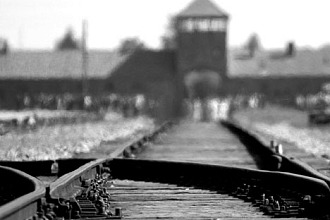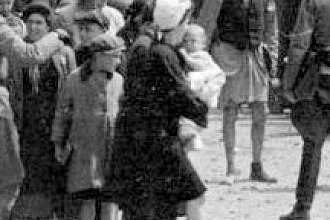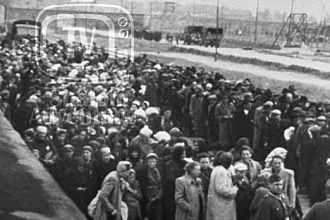
Dawn breaks over the hills of Austria, but there is no comfort in the light. At Mauthausen the air tastes of smoke, sweat, and fear, and even the birds seem to avoid the sky above the camp. A train rattles into the station, disgorging its human cargo like a conveyor belt of suffering. Men, women, and children tumble onto the platform, faces hollow, eyes wide with the disbelief that this could be reality. The guards wait with rifles, their boots striking the ground like thunder, each step a warning that resistance is death.
Inside, the camp spreads like a wound across the landscape. The barracks are wooden cages, packed with bodies shivering in the cold. Meanwhile, the straw on the floor is damp and crawling with lice. Hunger gnaws from within, and the thin soup offered is a bitter joke. Every movement requires effort and every breath feels like theft from the dying. And then there is the work.
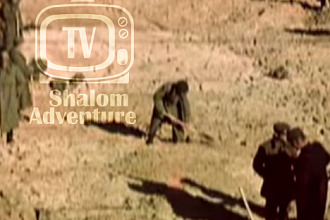
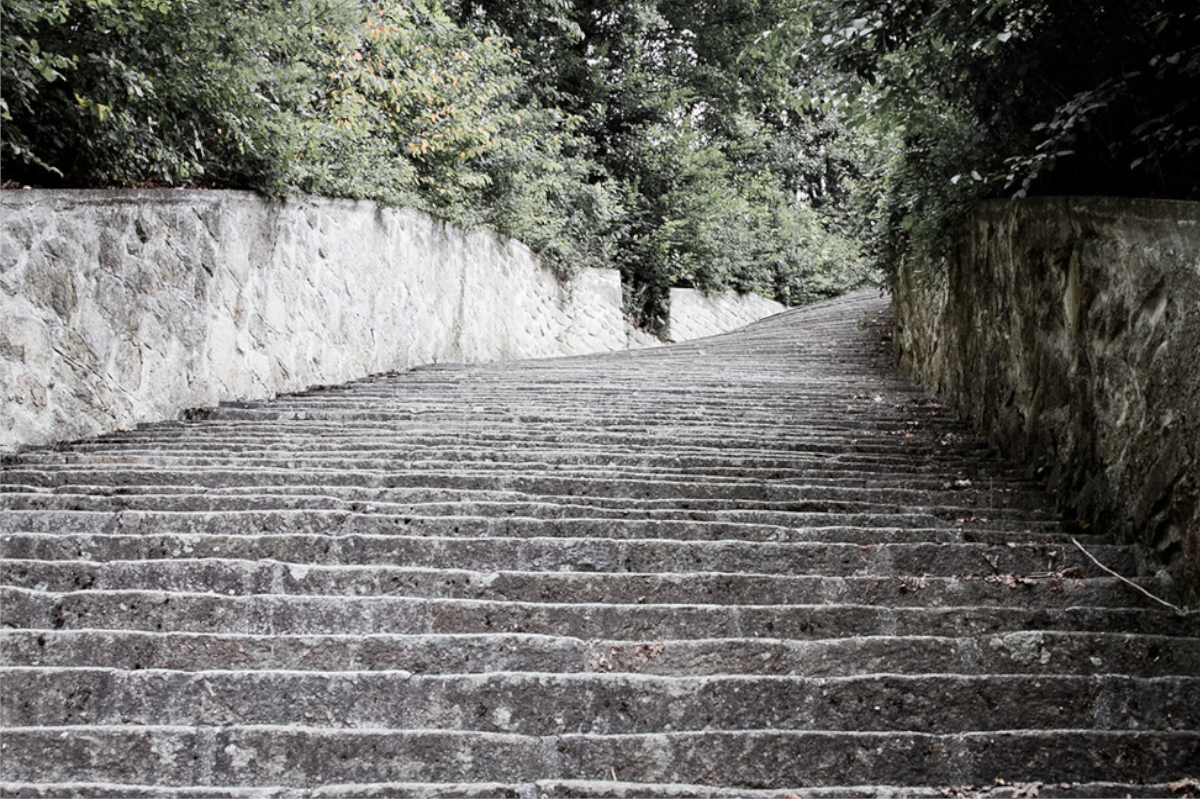
The quarry towers above, a jagged cathedral of stone. Prisoners are sent to climb the Stairs of Death, more than 180 steps of sheer rock, hauling blocks heavier than their own bodies. The steps echo with the groans of the exhausted, the thud of falling stones, and the crack of rifles for those who falter. Each handhold is slick with blood, sweat, and tears. The sun burns mercilessly, turning stone into an oven, yet the prisoners are made to toil until their strength is gone.
At night, silence is punctuated by moans, coughing, and the distant bark of guards. Prisoners whisper prayers or scraps of songs, small acts of rebellion against the engulfing despair. Secret messages are scribbled on scraps of paper. Bread is shared quietly, a lifeline passed hand to hand. In those moments, humanity clings to the living.
Death is everywhere and nowhere. Some die in the quarry, crushed or shot. Others vanish into gas chambers or disease, their bodies mere shadows in the count of the living. The camp is a machine of annihilation, grinding men and women into nothing. Yet some survive, not because the world has mercy, but because they refuse to surrender the memory of who they are.
Walking through the remnants today, the crumbling barracks, the empty quarry, and the Stairs of Death, one can almost hear the echo of the past. It is a place that sears itself into memory not with the sweep of history but with the raw immediacy of suffering, endurance, and courage. Mauthausen is a reminder that evil can be engineered with precision, but the human spirit, even in the darkest corners, has a stubborn flicker that refuses to die.